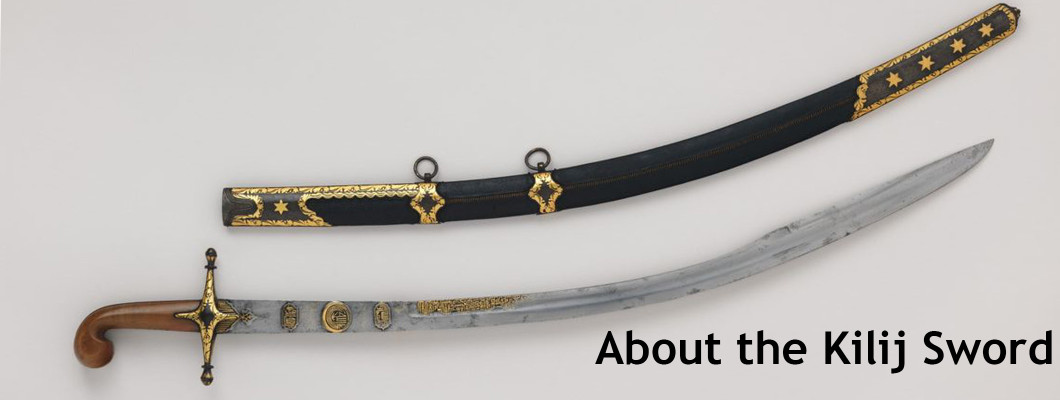
About the Kilij Sword
The Kilij sword (Turkish: kılıç, meaning “sword”) is one of the most legendary curved sabres ever created. Perfected by Ottoman craftsmen, the Kilij combined beauty, balance, and deadly efficiency. Its distinctive flared tip—known as the yelman—gave it incredible cutting power, making it a weapon feared and respected across empires. Today, the Kilij stands as a masterpiece of forging artistry and remains highly sought after by collectors and historical sword enthusiasts.
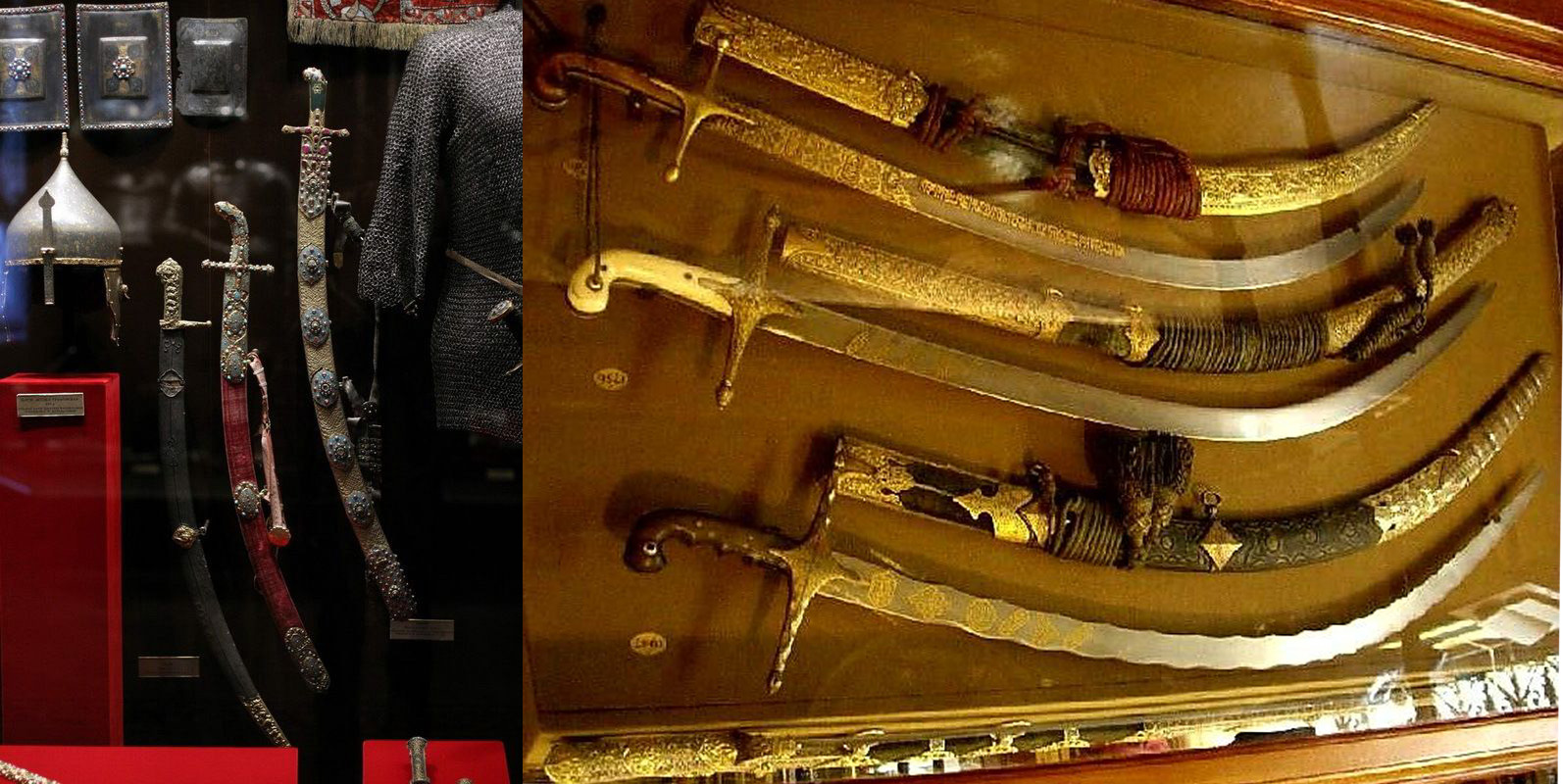
Antique Kilij Sword
Origins and Historical Evolution
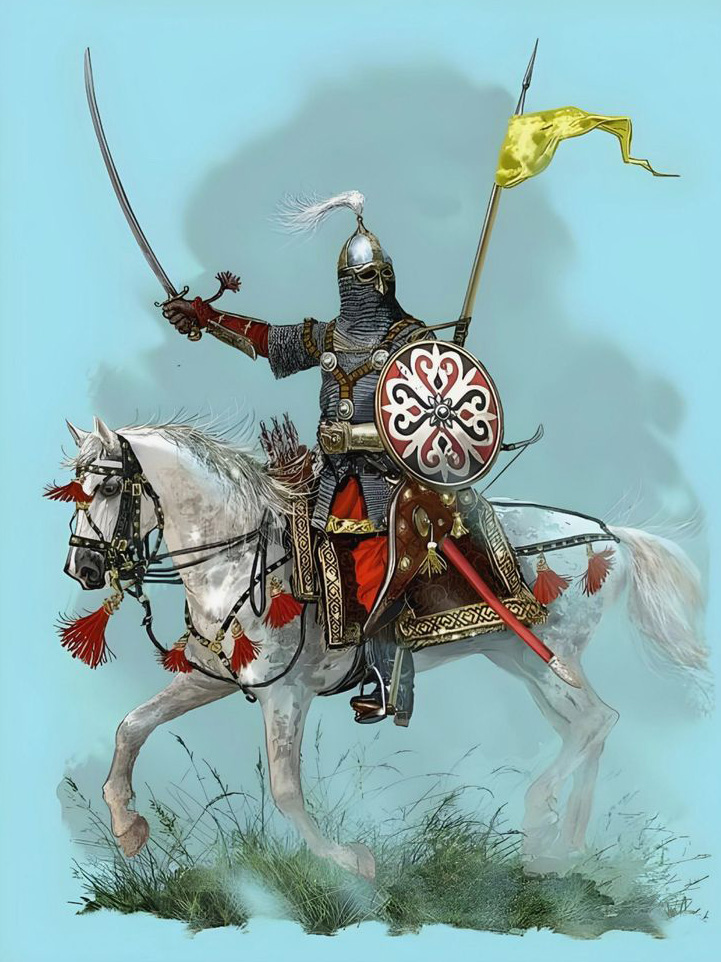
The origins of the Kilij can be traced to the Turkic steppe warriors who used curved sabres for slashing attacks from horseback. As these nomads migrated west into Persia and Anatolia, their weapons evolved alongside local forging traditions. During the 15th century, the Ottoman Empire perfected the design into the Kilij we recognize today—an iconic weapon that became synonymous with Ottoman cavalry, known as the sipahi. It symbolized honor, dominance, and exceptional craftsmanship, carried by soldiers, officers, and even sultans.
Design and Anatomy
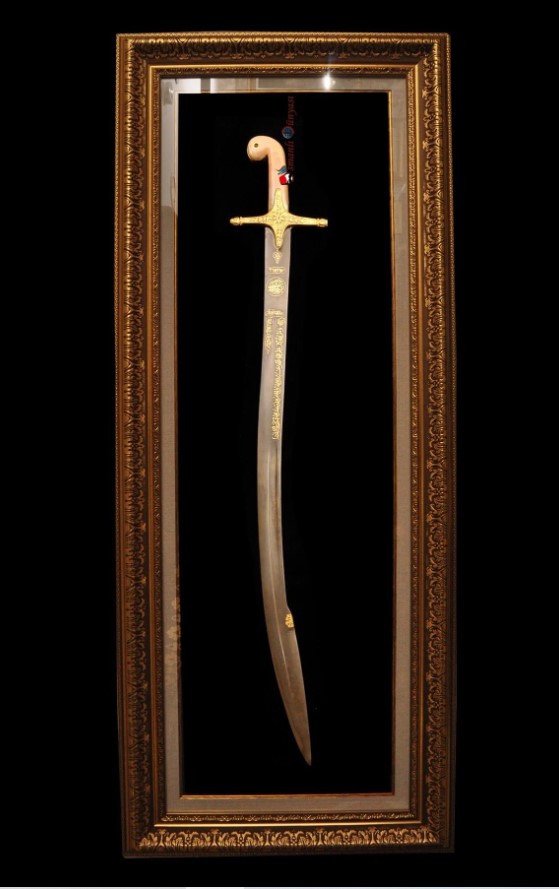
The Kilij sword is distinct for its single-edged, curved blade and flared tip. The forward-weighted section, or yelman, increases momentum during a slash, allowing devastating cuts while maintaining control. Unlike extremely curved sabres such as the Persian Shamshir, the Kilij retains enough straightness near the hilt for effective thrusting.
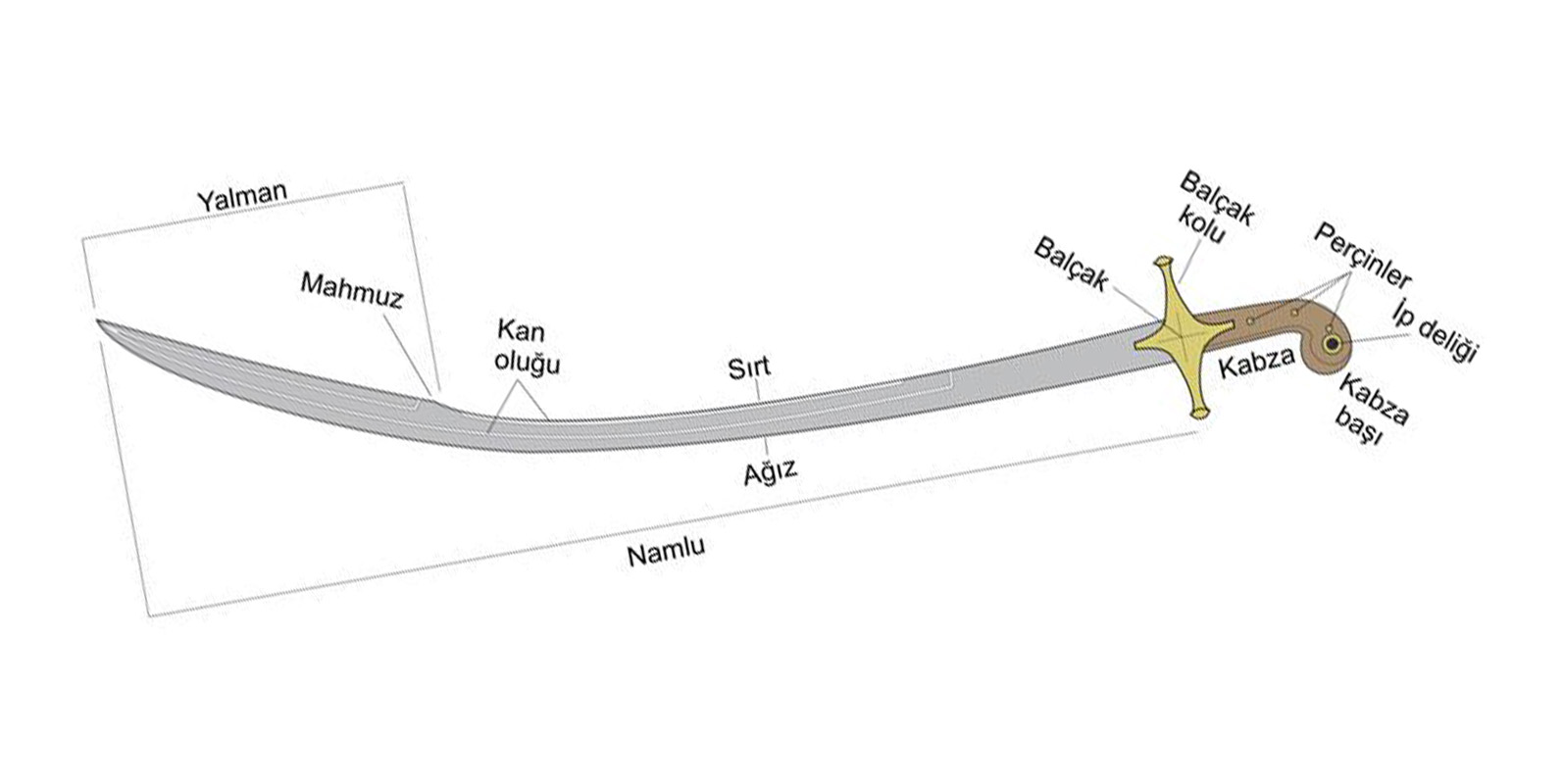
Anatomy of Kilij Sword
The grip is slightly angled downward for better ergonomics and control, especially during mounted combat. A small crossguard protects the wielder’s hand without restricting movement. Scabbards were traditionally made of wood wrapped in leather, often accented with brass or silver fittings. The average blade length ranged between 70–85 cm (28–34 inches), with total length around 100–110 cm (39–43 inches).
Forging and Metallurgy
Forging a Kilij required expert blacksmithing and careful heat treatment. Ottoman smiths used high-carbon steel or pattern-welded Damascus steel, achieving a combination of strength, flexibility, and elegance. Through oil tempering, the edge was hardened for sharpness while the spine remained resilient to shock. The process ensured that each Kilij could cut through armor yet remain durable and balanced.
Decorative versions for officers or royalty featured gold or silver inlay, calligraphic inscriptions, and engraved motifs. The forging of the yelman—the flared portion of the blade—was especially difficult, demanding precision to maintain symmetry and proper weight distribution.
Warfare and Combat Use
Designed primarily for mounted combat, the Kilij excelled in swift slashing attacks. Ottoman cavalrymen used its curve to slice through enemy lines with fluid strikes that maximized reach and power. The sword’s design allowed powerful draw-cuts while retaining the ability to thrust when needed. The flared yelman gave each strike more penetration, making it a perfect combination of speed and lethality.
Beyond the battlefield, the Kilij symbolized prestige and command. Ornate versions were presented as ceremonial gifts to generals, nobles, and foreign dignitaries, reinforcing its status as a symbol of Ottoman strength and craftsmanship.
Regional Variants and Influence
The Kilij influenced numerous sword designs across Asia, the Middle East, and Europe:
Shamshir (Persia): A deeply curved, narrow sword optimized for slicing cuts.
Tulwar (India): A heavier sabre with a thick spine and disc pommel, designed for chopping power.
Mameluke Sword (Egypt): A ceremonial adaptation of the Kilij, later adopted by European and American military officers, including the U.S. Marine Corps.
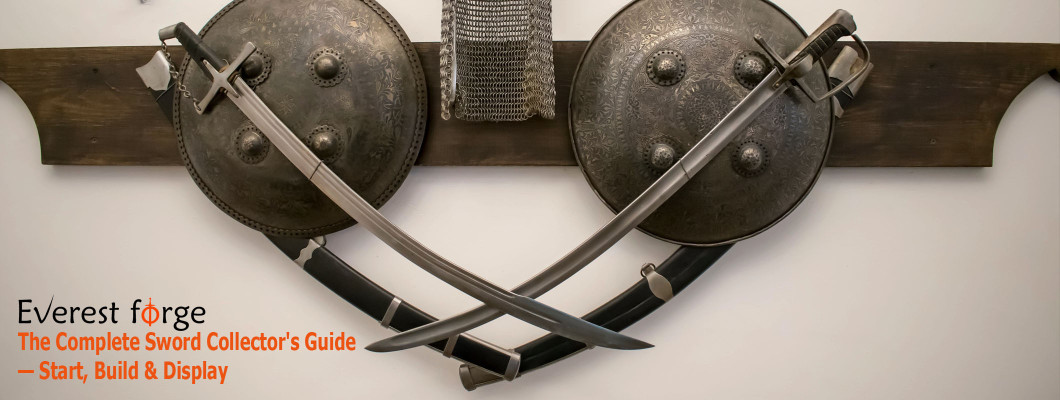
Its silhouette inspired European cavalry sabres in the 18th and 19th centuries, especially in Hungary and Poland, proving the Kilij’s far-reaching influence on global weapon design.
Collecting and Preservation
Authentic Ottoman Kilij swords are highly collectible for their historical and artistic value. When evaluating a piece, inspect the curvature, the proportion of the yelman, and the presence of inscriptions or maker’s marks. Over-polished examples lose original temper lines and engravings, reducing their authenticity and value. Genuine Kilijs often display fine craftsmanship, subtle patterning on the steel, and balance optimized for one-handed combat.
Collectors should maintain blades with minimal cleaning—preserving natural patina while preventing rust through light oiling and dry storage. Proper provenance and documentation greatly enhance both historical and market value.
Care and Display
To maintain a Kilij sword, keep the blade lightly oiled and store it in a dry, stable environment. Avoid long-term storage in leather scabbards, which can trap moisture and cause corrosion. For display, use mounts that support the sword evenly and avoid stress on the guard or tang. Handle antique blades with gloves to prevent skin oils from affecting the steel. For modern reproductions or custom-forged Kilijs, always ensure correct tempering before practical use.
Conclusion
The Kilij sword represents a perfect union of artistry and function—a weapon built not only for war but also for elegance and pride. Its curved shape, balance, and craftsmanship embody centuries of forging excellence. From the Ottoman battlefield to the modern collector’s display, the Kilij continues to capture imagination and respect as one of history’s most sophisticated and beautiful blades.
Request a Custom-Forged Kilij Sword
Would you like to own a handcrafted Kilij sword made with traditional forging techniques? Our skilled smiths at Everest Forge can custom-forge your Kilij using high-carbon steel or Damascus steel, heat-treated for perfect balance and strength. Choose your preferred blade length, handle material, and design details—each piece is made to order by experienced Nepalese craftsmen.
Frequently Asked Questions
Why does the Kilij have a flared tip?
The flared tip, or yelman, adds forward mass to the blade, increasing cutting force and allowing deep, powerful slashes—especially effective during cavalry combat.
Can a Kilij be used for thrusting?
Yes. The Kilij’s moderate curve allows efficient thrusting at close range while maintaining its superior cutting performance.
What materials were used in traditional Kilijs?
Most Kilij blades were forged from high-carbon steel or pattern-welded Damascus steel. Elite swords often included silver or gold inlays and decorative calligraphy on the blade.
How did the Kilij influence other swords?
The Kilij inspired many sabres across the Middle East, Asia, and Europe. Its balance and shape directly influenced 18th- and 19th-century European cavalry sabres and ceremonial Mameluke swords.
How do I preserve an antique Kilij?
Keep the blade oiled, avoid moisture, and never polish away engravings or patina. Store in a dry room with stable humidity, and use gloves when handling antique steel.