Kukri Knife Maintenance: The Kukri Care Guide
A kukri is built for hard work—chopping wood, clearing brush, camping, or even daily outdoor tasks. But like any high-carbon steel blade, it performs best when it’s properly cared for. With a little routine maintenance, your kukri will stay sharp, rust-free, and ready for action for years to come. This guide breaks down the most important care steps in a simple, practical way anyone can follow.
Understanding Why Kukri Maintenance Matters

Kukris are traditionally made from high-carbon steel, which offers incredible strength and cutting power. The trade-off is that this steel type requires more attention than stainless steel. Without basic maintenance, it can dull faster, rust easily, and lose its edge-holding capability.
The good news ? Kukri maintenance is easy, quick, and something every owner—collector, outdoorsman, or bushcraft enthusiast—can do at home.
1. Cleaning Your Kukri Knife
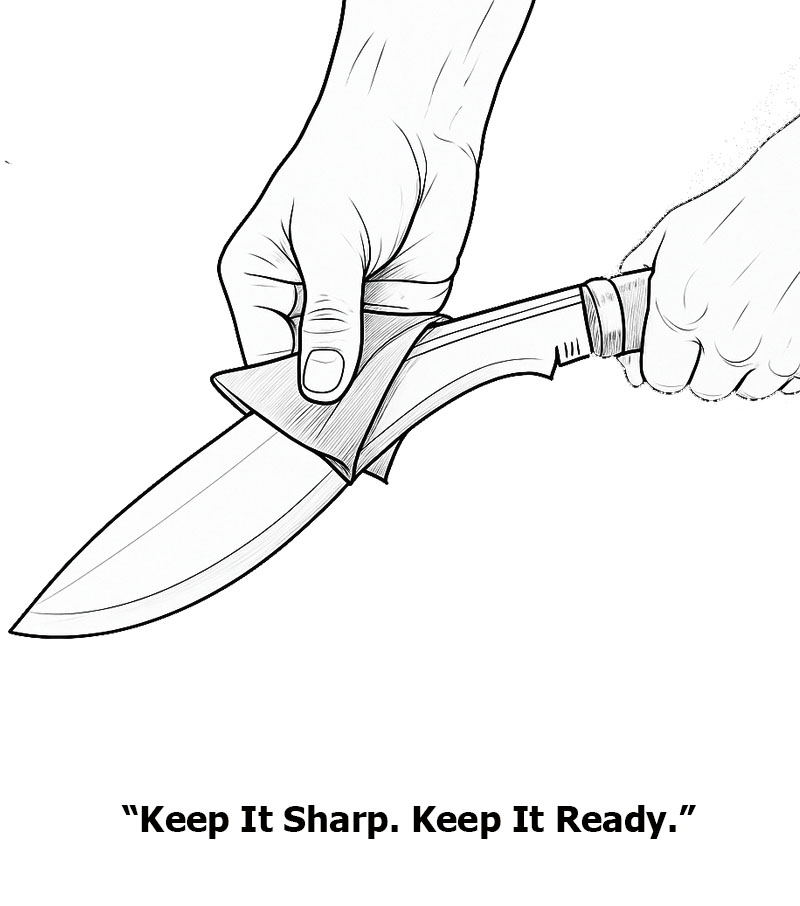
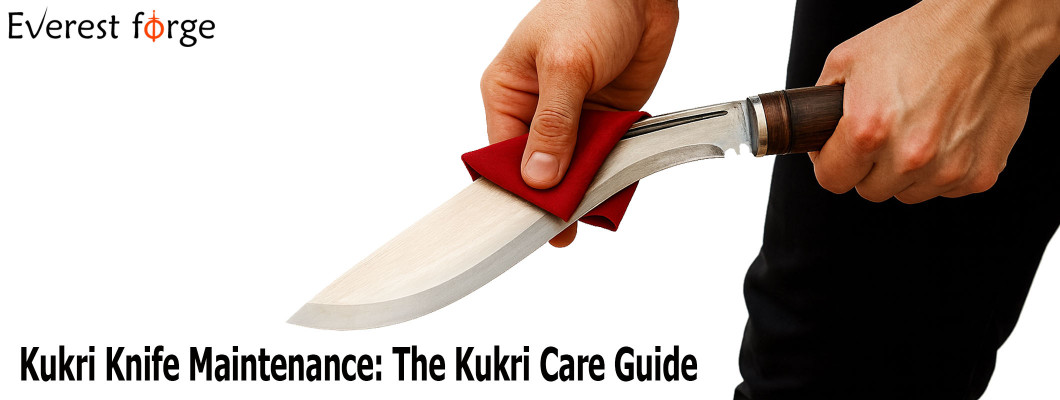
Cleaning is the foundation of kukri care. After any use, especially outdoors, give your blade a quick wipe-down.
- Wipe the blade clean right after use.
- Use warm water and mild soap if there’s mud, sap, or stuck debris.
- Dry the blade completely—carbon steel and moisture don’t mix.
- For disinfection after cutting food, use rubbing alcohol and dry again.
Avoid:
- Putting the kukri in a dishwasher
- Soaking it in water
- Using abrasive pads that scratch the steel
A clean blade resists rust far better than a neglected one.
2. Oiling and Lubricating the Blade
High-carbon steel needs a protective layer of oil to prevent oxidation.
Best oils to use:
- Mineral oil
- Gun or machine oil
- Camellia oil (premium choice)
- Coconut oil (short-term outdoor solution)
How to oil:
- Apply a thin, even coat along the blade and spine.
- Wipe off any excess—just a light layer is enough.
- Re-oil more frequently if you live in a humid state or use the kukri often.
Regular oiling keeps rust from forming and helps the blade maintain a smooth finish.
3. Sharpening Your Kukri
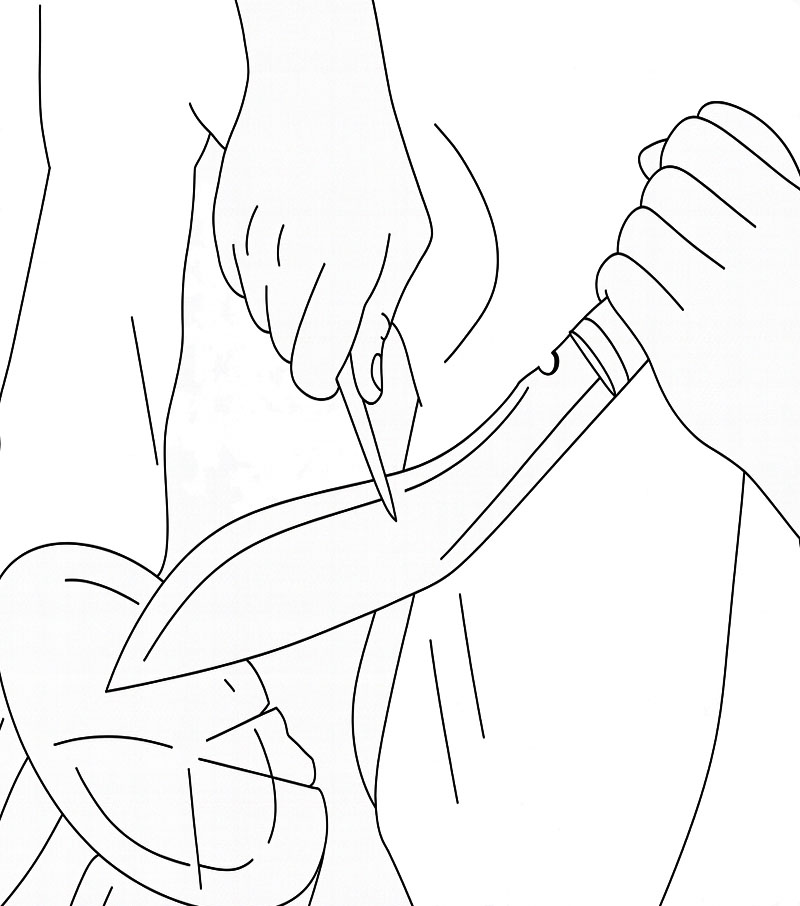
A kukri’s curved edge means sharpening is a bit different than sharpening a straight knife—but still very simple once you get used to it.
What you can use:
- Round sharpening stone
- Sharpening rod
- Diamond file
- Leather strop (for polishing the edge)
- Chakmak
Tips for sharpening:
- Follow the curve of the blade naturally.
- Keep a consistent sharpening angle.
- Work from the belly toward the tip and heel.
- Finish with a strop to refine and smooth the edge.
A well-sharpened kukri is not just more efficient—it’s also safer to use.
4. Regular Inspection
Quick inspections prevent long-term damage and keep your kukri reliable.
Check these areas:
- Blade: Look for rust spots, dull areas, or small chips.
- Handle: Ensure it’s tight, crack-free, and stable.
- Spine: Check for bending after heavy chopping.
- Bolster/Rivets: Make sure nothing is loose.
- Sheath: Ensure it’s dry and not trapping moisture.
It only takes a minute to spot an issue before it becomes a bigger problem.
5. Long-Term Storage Tips
How you store your kukri affects how it ages.
Smart storage tips:
- Lightly oil the blade before storing.
- Avoid leaving it inside the leather sheath for long periods—leather traps moisture.
- Wrap the kukri in a cotton cloth or use a silicone blade sleeve.
- Keep it in a cool, dry place away from humidity.
- Use silica gel packs to control moisture levels.
With proper storage, your kukri stays ready for years with minimal effort.
Conclusion
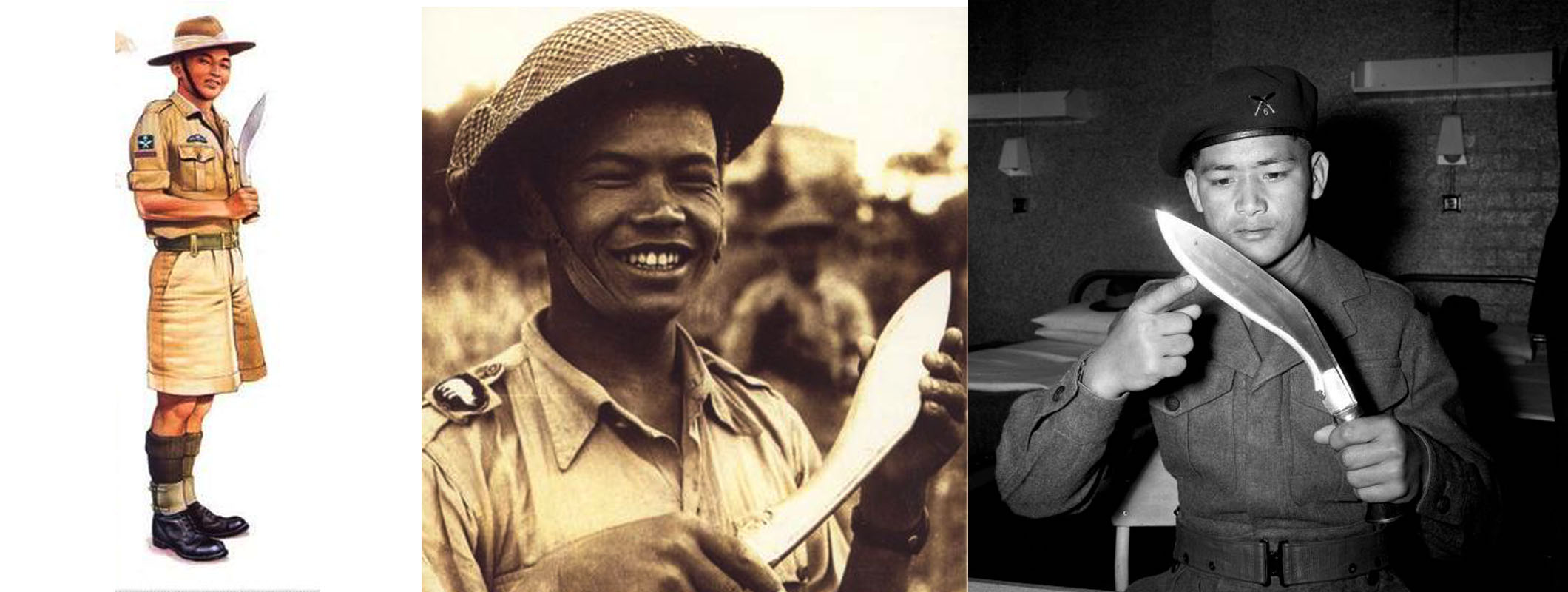
Caring for a kukri knife doesn’t take much time, but it makes all the difference. A little cleaning, light oiling, proper sharpening, and smart storage will keep your kukri performing like new no matter how often you use it. With the right routine, it becomes a long-lasting tool—and for many owners, even a lifelong companion.
FAQ
1. How often should I oil my kukri knife?
Lightly oil it after each use, or at least once a month if stored long-term. In humid climates, oil it more frequently.
2. Can I store my kukri in its leather sheath?
Only for short periods. Leather absorbs moisture and can cause rust if used for long-term storage.
3. What is the best way to sharpen a kukri?
Use a round stone or sharpening rod and follow the curve of the blade while keeping a steady angle.
4. Why does my kukri rust so quickly?
Most traditional kukris are made of high-carbon steel, which rusts faster than stainless steel if left unprotected. Regular oiling prevents this.
5. Can I use household oils on my kukri?
Yes—mineral oil works great and is easily available. Avoid cooking oils that can go rancid.