
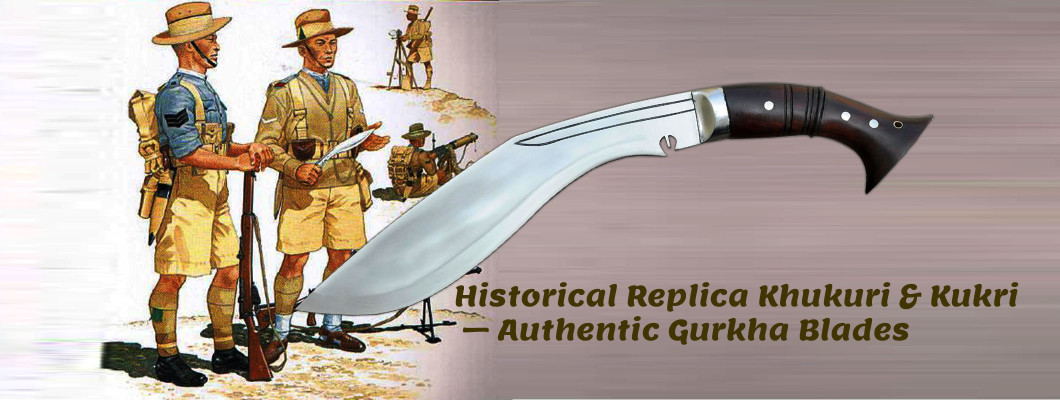
Historical Replica Khukuri & Kukri – Authentic Gurkha Blades
The kukri, also spelled khukuri, is one of the most iconic blades in the world. Deeply tied to the history of Nepal and the legendary Gurkha soldiers, the kukri is both a weapon of war and a versatile survival tool. At Everest Forge, we specialize in forging historical replica kukris that honor Nepalese tradition. Each blade is hand-forged in Nepal, made from 5160 high carbon steel, full tang construction, and fitted with traditional rosewood handles. Our collection allows modern users, collectors, and historians to hold a faithful recreation of the kukris that shaped history.
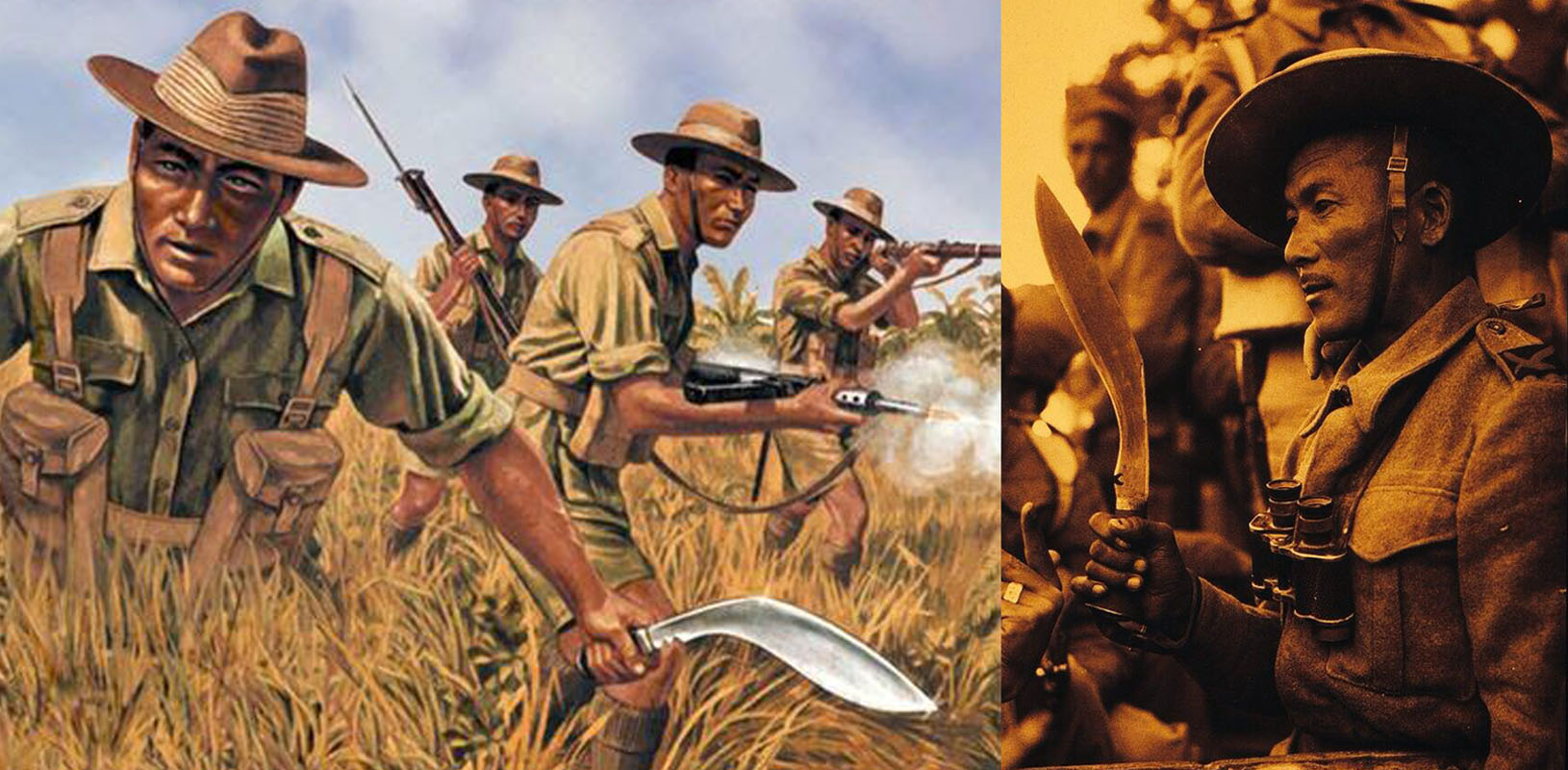
The Historical Importance of Gurkha Kukris
The kukri has been carried for centuries, from village households in Nepal to the battlefields of World War I and World War II. Its inward curve and forward-weighted design gave it devastating cutting power, making it legendary in close combat and indispensable for daily survival tasks. Today, historical kukris remain highly sought after for their cultural significance, functionality, and military heritage. At Everest Forge, we recreate these famous kukri types with precision and authenticity, keeping Gurkha tradition alive.
WWI Issue Kukri – Historical Khukuri Replica
The 12-Inch WWI Issue Kukri is a faithful reproduction of the blade carried by Gurkha soldiers during World War I. Designed for brutal jungle combat, this kukri is broad, powerful, and historically accurate. Forged from 5160 high carbon steel, it features a semi-polished blade, full tang rosewood handle, and a buffalo leather scabbard. It includes the traditional karda and chakmak, making it a complete set for both display and functional use.

Historical Significance of WWI Kukri
Issued to Gurkha regiments in the early 20th century, the WWI kukri became legendary during the campaigns in Burma and India. Its reputation as a fearsome weapon of close-quarters combat lives on, and this reproduction allows modern collectors to experience a piece of that history firsthand.
WWII Issue Kukri – Authentic Gurkha Replica
The 12-Inch WWII Issue Kukri is a historically inspired reproduction of the blade used by Gurkhas during World War II. Slightly larger and more curved than WWI versions, this kukri features an 11-inch broad blade forged from 5160 carbon steel. The polished rosewood handle and buffalo leather scabbard provide both authenticity and durability. This blade is fully functional, suitable for chopping, bushcraft, and survival while also serving as a historical collectible.
Historical Significance of WWII Kukri
During World War II, Gurkhas carried these kukris into the jungles of Burma and across global battlefields. The kukri became synonymous with courage, close-combat effectiveness, and Nepalese heritage. This replica keeps that tradition alive for collectors and enthusiasts worldwide.
Hanshee Kukri – The Aristocrat’s Historical Blade
The Hanshee Kukri is one of the most historically significant designs, dating back to the 18th and 19th centuries. Known for its elongated blade and slender curve, the Hanshee was a favorite of nobles, officers, and high-ranking warriors. Our reproduction features a 14-inch water-tempered blade, a long 7-inch rosewood handle for reach and balance, and a leather-covered wooden scabbard. It is fully functional and sharpened, making it suitable for martial practice as well as display.
Historical Significance of Hanshee Kukri
The Hanshee represents the aristocratic and ceremonial side of the kukri. Some versions were richly decorated with silver or gold, while others served grimly as execution blades. This historical kukri style is rare today, making faithful reproductions highly valuable for collectors and historians alike.
Military Angkhola Kukri – Strength and Tradition
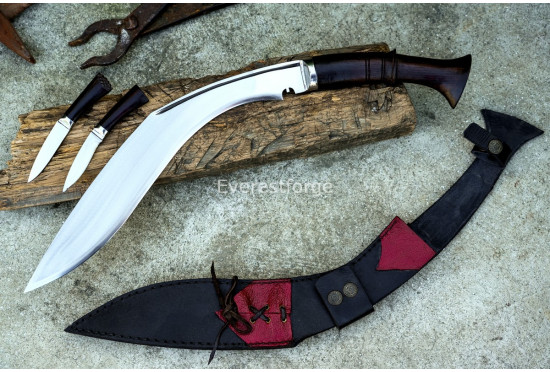
The Military Angkhola Kukri is one of Nepal’s most iconic designs, recognized by its deep fuller running along the blade. This feature lightens the blade while improving balance and strength, creating a versatile kukri trusted for heavy-duty use. Our reproduction features a 13-inch hand-forged blade, a 6-inch full tang rosewood handle, and a leather scabbard. It is sharpened, water-tempered, and ready for use in bushcraft, survival, or collection.
Historical Significance of Angkhola Kukri
The Angkhola design has been carried for generations by both villagers and soldiers. It represents a balance between battlefield effectiveness and daily utility. Military Angkhola kukris remain a symbol of Nepalese resilience and forging tradition, making them prized by collectors around the world.
WWII Issue Kukri – Wooden Handle Replica
This WWII Issue Kukri with a wooden handle is another faithful reproduction of the blades used in World War II. Featuring an 11-inch polished blade and a 5.5-inch rosewood handle, it captures the heavier, more curved design of wartime kukris. The cotton-wood core scabbard wrapped in buffalo hide holds both the main blade and the companion karda and chakmak knives.
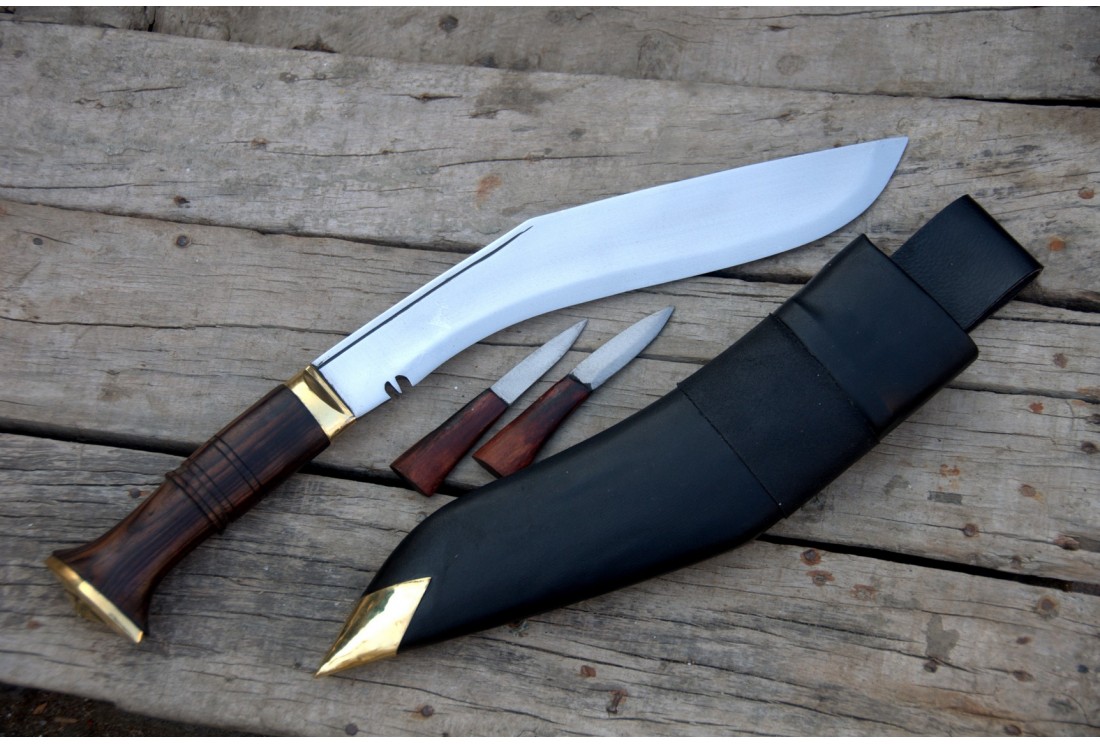
Historical Significance of Wooden Handle WWII Kukri
Carried by Gurkha soldiers in the dense jungles of Burma, this kukri played a vital role in jungle warfare. It became a standard issue for the Indian Gurkha Army during the war years, and today remains one of the most recognized kukri styles of the 20th century.
Forging Tradition and Cultural Legacy
Every historical kukri we recreate is hand-forged in Nepal using time-honored techniques. Each blade is a living continuation of the skills passed down by generations of blacksmiths. By preserving these forging traditions, Everest Forge ensures that the kukri is not only remembered as a historical weapon but continues to live as a cultural treasure and functional tool.
Why Historical Kukris Are Important
Owning a historical replica kukri is not just about collecting a blade—it is about connecting with Nepal’s cultural heritage. These kukris embody courage, craftsmanship, and tradition. They serve as functional tools for survival and bushcraft, display pieces for collectors, and symbols of Gurkha valor for historians and martial artists. Each blade forged by Everest Forge is both a tribute to history and a tool ready for real use.
Frequently Asked Questions (FAQ)
Were Gurkha kukris really used in World War I?
Yes, Gurkha regiments were officially issued kukris during World War I. These blades were used in close-quarters combat, particularly in jungle and trench warfare, making them a feared and respected weapon.
What is the difference between WWI and WWII kukris?
WWI kukris were generally slightly shorter and more compact, while WWII kukris tended to be larger and more curved for heavy jungle combat. Both designs were hand-forged in Nepal and carried by Gurkha soldiers in their respective wars.
What makes the Hanshee kukri unique?
The Hanshee kukri is distinguished by its elongated, deeply curved blade and long handle. It was favored by aristocrats and high-ranking officers in the 18th and 19th centuries, sometimes decorated for ceremonial purposes or used in executions.
Why does the Angkhola kukri have a fuller groove?
The fuller, or groove, in the Angkhola kukri reduces weight, improves balance, and adds structural strength. This design made the kukri easier to wield for extended periods without sacrificing cutting power.
Are Everest Forge historical replicas functional or just display pieces?
All Everest Forge replicas are fully functional. They are hand-forged from 5160 carbon steel, water-tempered, full tang, and sharpened for real use. While they make excellent collectibles, they are also capable working tools.
Conclusion
The Historical Kukri & Khukuri Collection at Everest Forge is a tribute to Nepal’s proud martial and cultural heritage. From WWI and WWII issue kukris to the aristocratic Hanshee and the durable Angkhola, our reproductions are forged with respect for history and a commitment to authenticity. Each kukri is battle-ready, functional, and historically accurate. Explore our collection today and hold in your hands the same style of blade that helped shape history.
Leave a Comment