Introduction to German Swords
German swords are among the most respected and functional blades in European history. Designed for real combat and refined through centuries of warfare, these weapons reflect a deep understanding of balance, strength, and efficiency.
From the precision of the longsword to the sheer dominance of the zweihänder, German sword designs evolved to meet the demands of changing battlefield conditions. They were not just symbolic weapons—they were practical tools built for survival and performance.
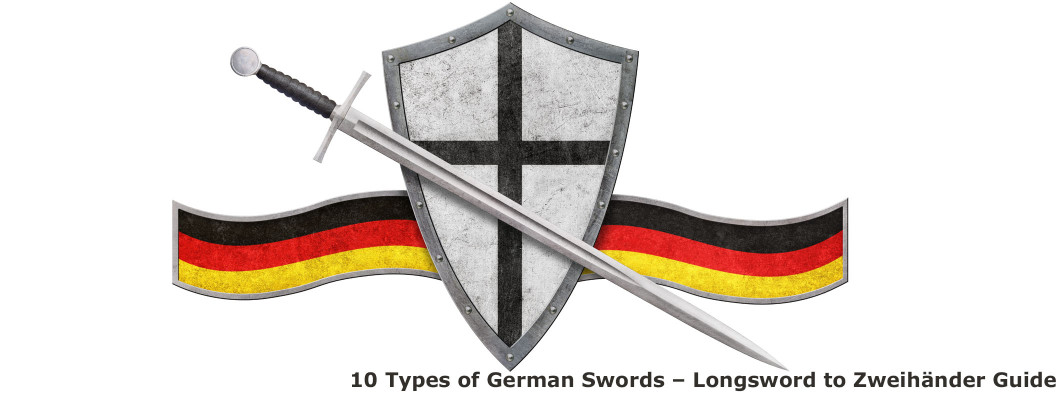
In this guide, we explore 10 types of German swords, their history, design, and how they were used in real combat.
1. Longsword (Langschwert)
The German longsword, or Langschwert, is one of the most iconic medieval European swords. Widely used between the 14th and 16th centuries, it became central to German martial arts and fencing traditions.
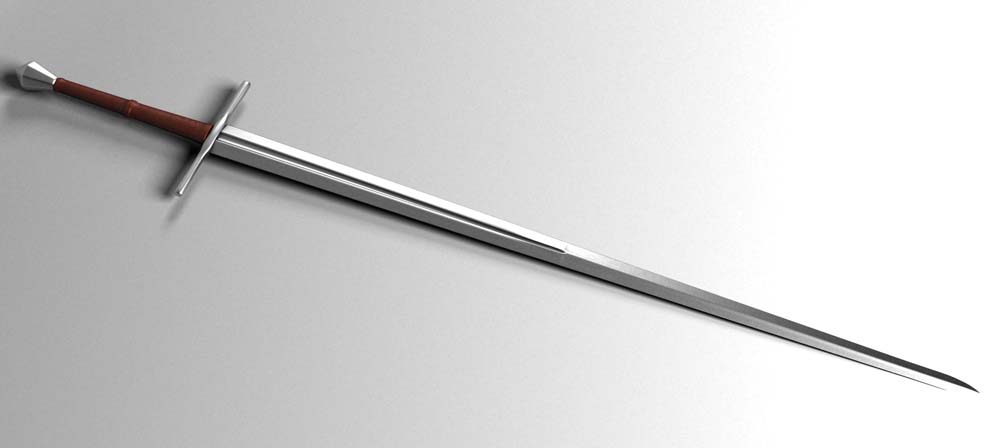
This double-edged sword is designed for two-handed use, offering excellent balance between cutting and thrusting. Its long grip allows for powerful leverage, while the blade remains agile enough for precise control.
Techniques such as half-swording made it highly effective against armored opponents. Even today, the German longsword is widely studied in Historical European Martial Arts and remains a benchmark of functional sword design.
2. Zweihänder
The Zweihänder, meaning “two-hander,” is one of the largest swords ever used in European warfare. It was carried by elite Landsknecht soldiers during the 16th century.
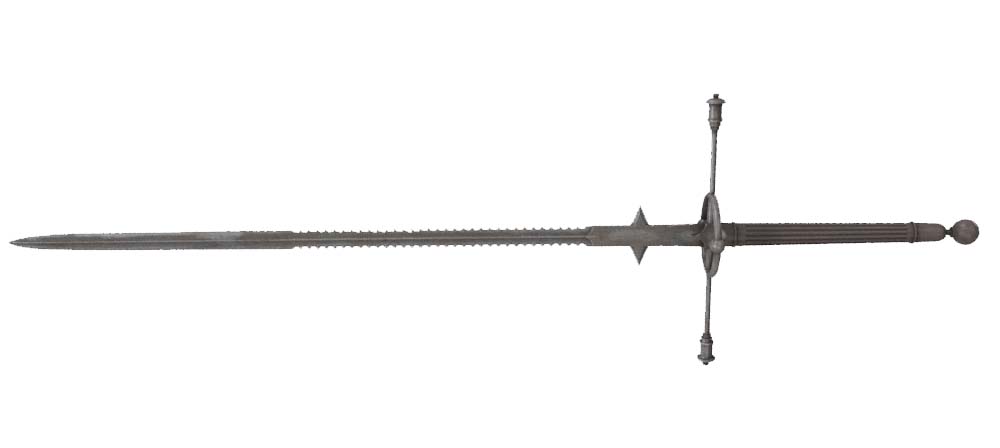
Often exceeding 150 cm, this massive sword was used to break pike formations and control battlefield space. It required significant strength and skill to handle effectively.
Features such as parrying hooks and long grips allowed for advanced techniques. The Zweihänder remains one of the most powerful and visually striking examples of German weapon design.
3. Katzbalger
The Katzbalger is a short sword used by German Landsknecht mercenaries. Its compact design made it ideal for close combat situations.
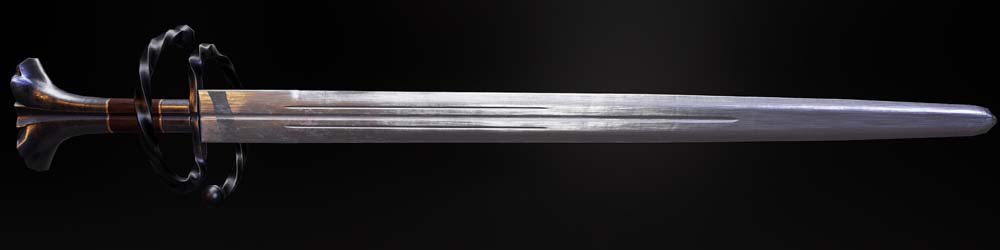
It features a wide blade and a distinctive S-shaped guard. Designed for quick strikes and tight fighting environments, it was often used when longer weapons became impractical.
This sword reflects the brutal reality of close-range combat and the need for fast, effective weapons.
4. Messer (Kriegsmesser & Langes Messer)
The Messer is a uniquely German blade that combines elements of a knife and a sword. It features a single-edged blade and slab-style handle construction.
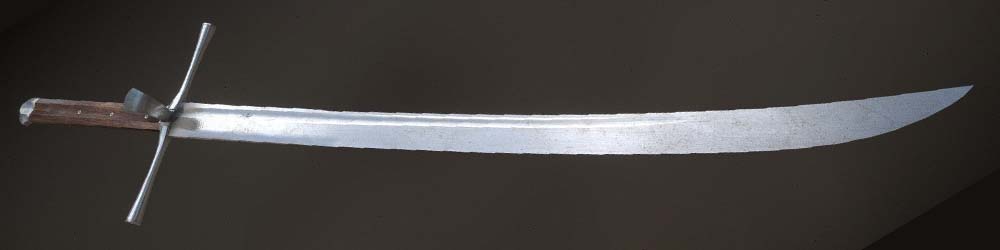
The Langes Messer was commonly used by civilians, while the larger Kriegsmesser served as a battlefield weapon. These blades were practical, durable, and highly effective for cutting.
Unlike traditional swords, the Messer’s construction made it easier to produce while maintaining excellent functionality, making it a popular choice across different social classes.
5. Sax (Seax)
The Sax, or Seax, is one of the earliest Germanic blades and predates medieval swords . It was widely used by tribes such as the Saxons.
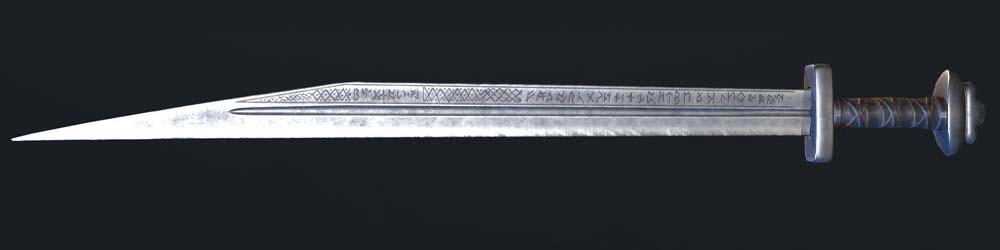
These blades ranged from small utility knives to longer weapon-sized versions. The Sax served both as a tool and a weapon, reflecting the practical needs of early societies.
Its influence can be seen in later sword designs, making it an important part of Germanic weapon history.
6. Rapier
The rapier became popular during the Renaissance period and was widely used across Europe, including German regions.
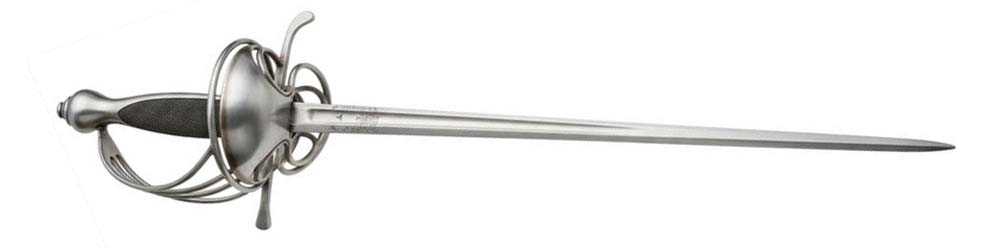
Unlike earlier cutting-focused swords, the rapier was designed for thrusting. Its long, narrow blade and complex hilt provided precision and hand protection.
It was primarily used in duels and civilian self-defense, representing a shift from battlefield combat to refined personal fighting techniques.
7. Executioner’s Sword (Richtschwert)
The executioner’s sword is a specialized blade designed for carrying out executions. It features a wide blade and typically lacks a pointed tip.
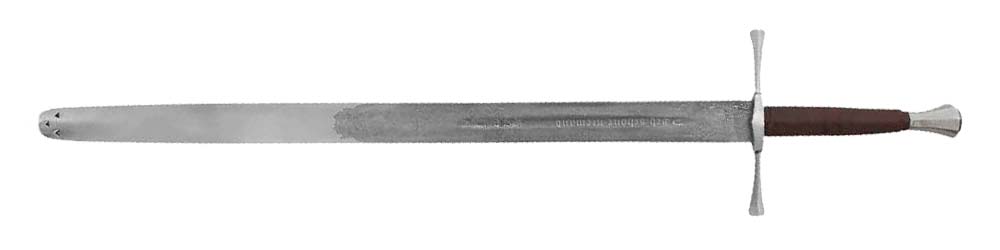
Unlike combat swords, it was built for powerful downward cuts. Many of these swords were engraved and held ceremonial significance.
This type of sword highlights a different aspect of history, where weapons were used for legal and official purposes rather than combat.
8. Arming Sword (German Variant)
The arming sword is a one-handed weapon commonly used with a shield. It represents a transitional stage in medieval sword development.
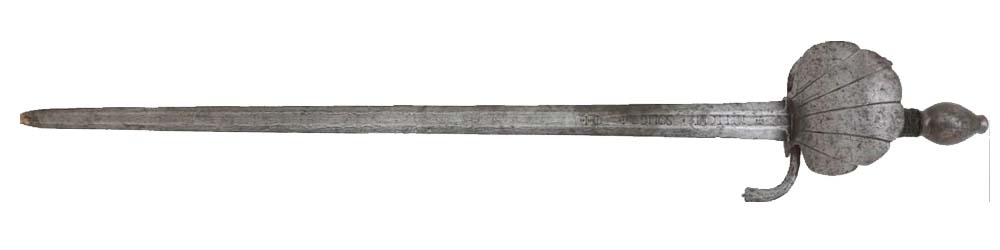
Compact and balanced, it was widely used by knights and soldiers. It offered speed, control, and versatility in combat.
This sword laid the foundation for more advanced designs such as the longsword.
9. Falchion (German Influence)
The falchion is a single-edged sword known for its powerful cutting ability. Its blade often resembles a cleaver, making it highly effective for chopping.
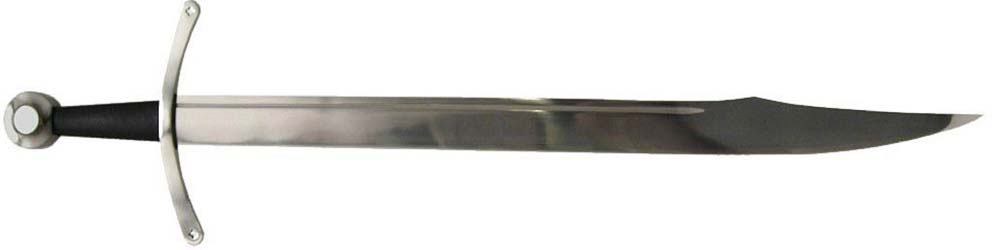
While used across Europe, it was also present in German regions. Its design focused on raw cutting power rather than finesse.
This sword was favored by soldiers who needed a reliable and efficient cutting weapon.
10. Flamberge Zweihänder
The flamberge Zweihänder is a variation of the traditional two-handed sword featuring a wavy blade.
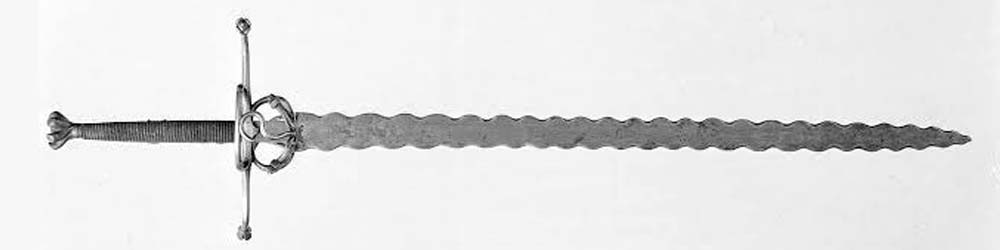
This design was not only visually striking but also functional, helping to disrupt enemy weapons and create vibration during contact.
These swords were rare and typically used by highly skilled fighters, making them both effective and intimidating on the battlefield.
German Sword Craftsmanship and Legacy
German swordsmiths were known for their precision and innovation. Their blades were built for real use, not decoration.
Every detail—from blade geometry to balance—was carefully designed to maximize performance. This focus on function is what made German swords stand out.
Today, these designs continue to influence modern sword making and remain highly respected among collectors and enthusiasts.
Modern Hand-Forged German-Inspired Swords
Modern craftsmen continue to recreate German sword designs using traditional forging techniques combined with modern materials.
These hand-forged swords are not just decorative—they are fully functional and built for real use. Custom forging allows you to create a blade tailored to your needs, whether for collection, display, or practical use.
Explore Hand-Forged Swords
Browse battle-ready swords inspired by historical German designs.
Request Your Custom German Sword
Create your own hand-forged blade with custom specifications.
Why German Swords Remain Among the Greatest Ever Forged
German swords are not just historically important—they are a benchmark of functional design and craftsmanship.
They were built for real combat, refined over generations, and designed with a deep understanding of balance, strength, and efficiency.
From the versatility of the longsword to the sheer power of the Zweihänder, each blade represents a different solution to the challenges of warfare.
Even today, these swords continue to inspire modern craftsmen and remain among the most respected blades ever created.