Forged in Fire Winners and the Weapons That Earned Them the Title
Forged in Fire is a competition where blades are judged by how they perform, not how they look. Every weapon must survive cutting tests, impact trials, and strength challenges. If heat treatment, balance, or construction is wrong, the blade usually fails very quickly. Because of this, the winners of the show are worth studying by anyone interested in real, functional blade making.
Below are ten Forged in Fire winners. For each winner, the first paragraph focuses on the blade smith, and the second focuses on the weapon they forged to win.
Ben Abbott – Khanda
Ben Abbott is widely considered one of the most consistent and disciplined competitors in Forged in Fire history. Before becoming a judge, he competed multiple times and built a long winning streak. His strength was not speed, but control. He planned each step carefully, managed his time well, and avoided risky shortcuts that could cause failure. Even under pressure, he stayed calm and focused on fundamentals.

He won his first major competition by forging a Khanda, a traditional Indian double-edged sword with a wide blade. The Khanda is difficult because it demands perfect symmetry, straight edges, and even heat treatment across a large surface area. Wide blades are more likely to warp during quenching. His Khanda remained straight, balanced, and sharp, allowing it to pass cutting and strength tests without failure.
Jesse Hu – Chinese Dao
Jesse Hu became known for winning multiple times in long tournament-style competitions, where endurance and focus matter as much as skill. These challenges push smiths to work while exhausted, which often leads to mistakes. Jesse stood out because he stayed mentally steady and avoided emotional decisions even late in the competition.

The weapon most associated with him is the Chinese Dao , a single-edged sword designed for slicing and controlled cutting. A Dao must have correct weight distribution, a straight cutting edge, and proper heat treatment. If the blade is too tip-heavy or uneven, it performs poorly. Jesse’s Dao blades were clean, balanced, and durable, allowing them to survive cutting and impact tests.
David Baker – Medieval Arming Sword
David Baker approached Forged in Fire with an engineering mindset. He focused on structure, stress points, and reliability rather than decoration. This approach made his blades predictable and strong during testing. His consistent performance later earned him a position as a judge on the show.
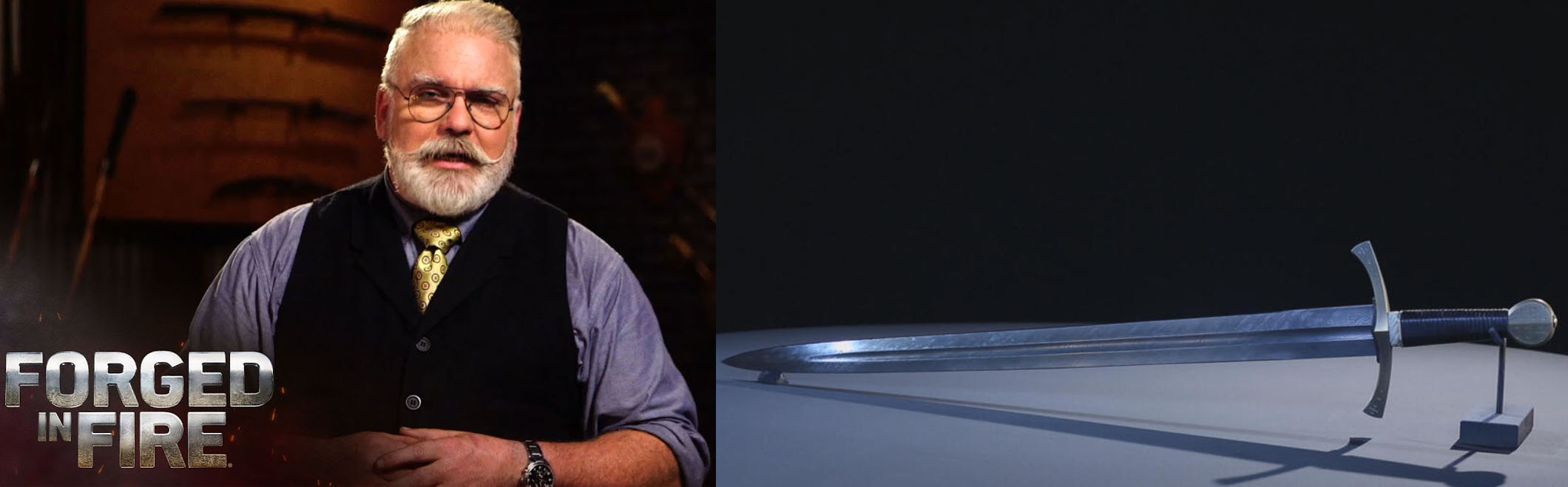
One of his winning weapons was a Medieval arming sword. While simple in appearance, this sword is difficult to execute correctly. The tang must be strong, the blade evenly hardened, and the balance suitable for one-handed use. Baker’s sword survived heavy testing because it was built correctly from the inside out.
Ira Houseweart – Championship Weapon
Ira Houseweart became a champion by adapting his approach to each challenge instead of relying on one personal style. He paid close attention to time limits, materials provided, and how the weapon would be tested. This allowed him to adjust his strategy and avoid major mistakes.
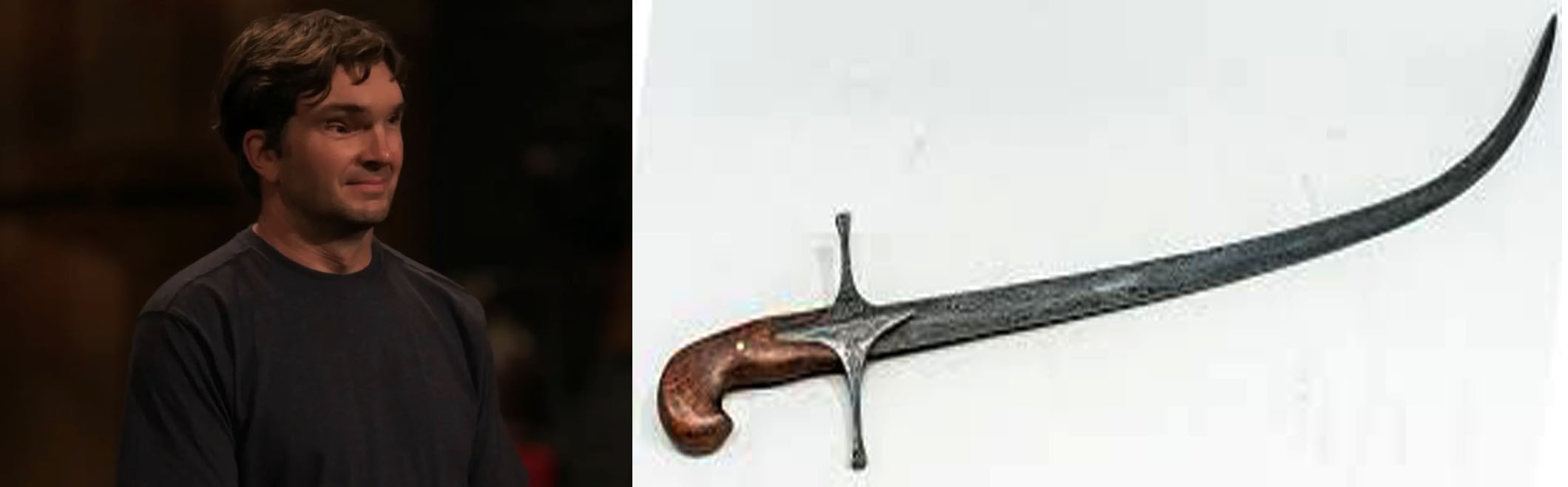
The weapon he forged to win his championship was built with durability as the main goal. Instead of focusing on surface finish or decoration, he focused on thickness, heat treatment, and structural strength. This approach helped his blade survive testing and later allowed him to defeat elite competitors.
Travis Wuertz – Viking Sword
Travis Wuertz was already respected in the bladesmithing world before appearing on Forged in Fire. He is also known for designing professional grinding machines used by many modern smiths. His background gave him strong control over steel shaping and finishing.

He won by forging a Viking sword, a weapon that must balance strength and handling. Viking swords require proper distal taper so they are strong without being overly heavy. His blade handled impact testing well because it was balanced correctly and heat treated with care.
Jason Bivens – Moplah Sword
Jason Bivens became a champion through careful planning and disciplined execution. He showed strong control over complex materials and avoided rushing during critical stages of forging.

He won by forging a Moplah sword made from Damascus steel. Damascus is risky because poor welds can fail under stress. His blade maintained clean patterning while surviving destructive tests, proving that patterned steel can also be functional.
Colton – Multiple Winning Blades
Colton is known as one of the youngest repeat winners on Forged in Fire. His success did not come from one special weapon, but from consistent performance across different competitions.
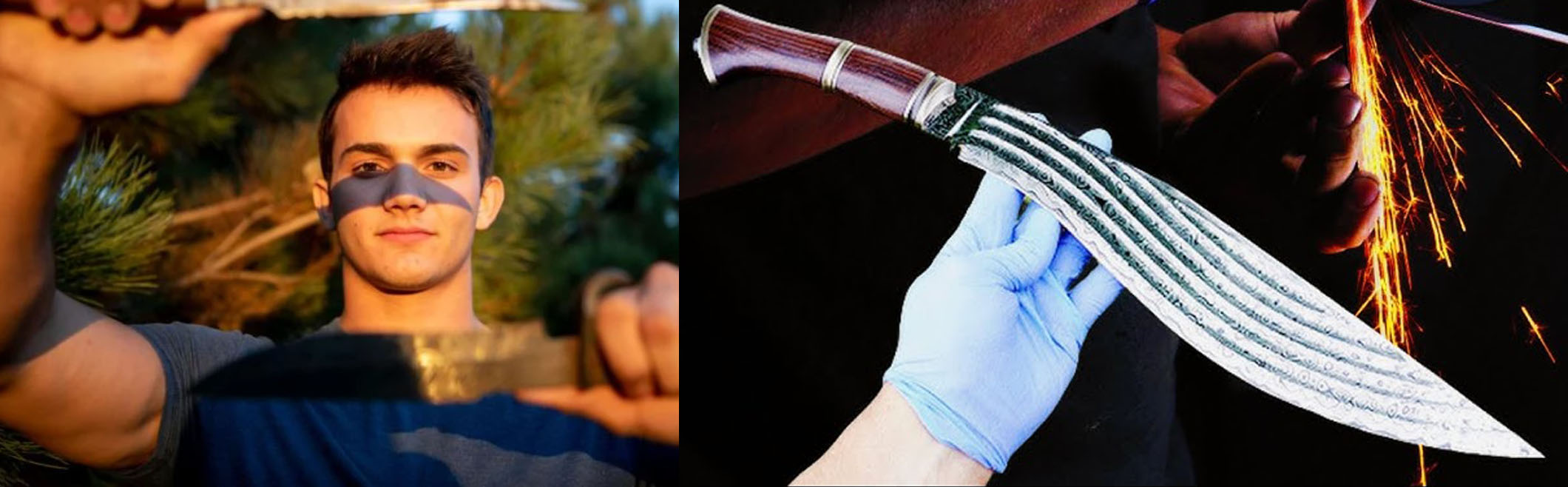
The weapons he forged to win showed disciplined heat treatment, clean geometry, and good balance. His ability to avoid mistakes under pressure played a major role in his repeated victories.
Kelly Vermeer-Vella – Falcata
Kelly Vermeer-Vella made history as the first woman to win a standard episode of Forged in Fire. She demonstrated patience, control, and steady decision-making throughout the competition.

She won by forging a Falcata, a forward-heavy curved sword from ancient Iberia. The Falcata is difficult because its shape creates stress during heat treatment and impact testing. Her blade remained intact and performed well.
Salem Straub – Khopesh
Salem Straub was one of the early winners of Forged in Fire, when competitors were still learning how unforgiving the tests could be. His win helped set the tone for later seasons.
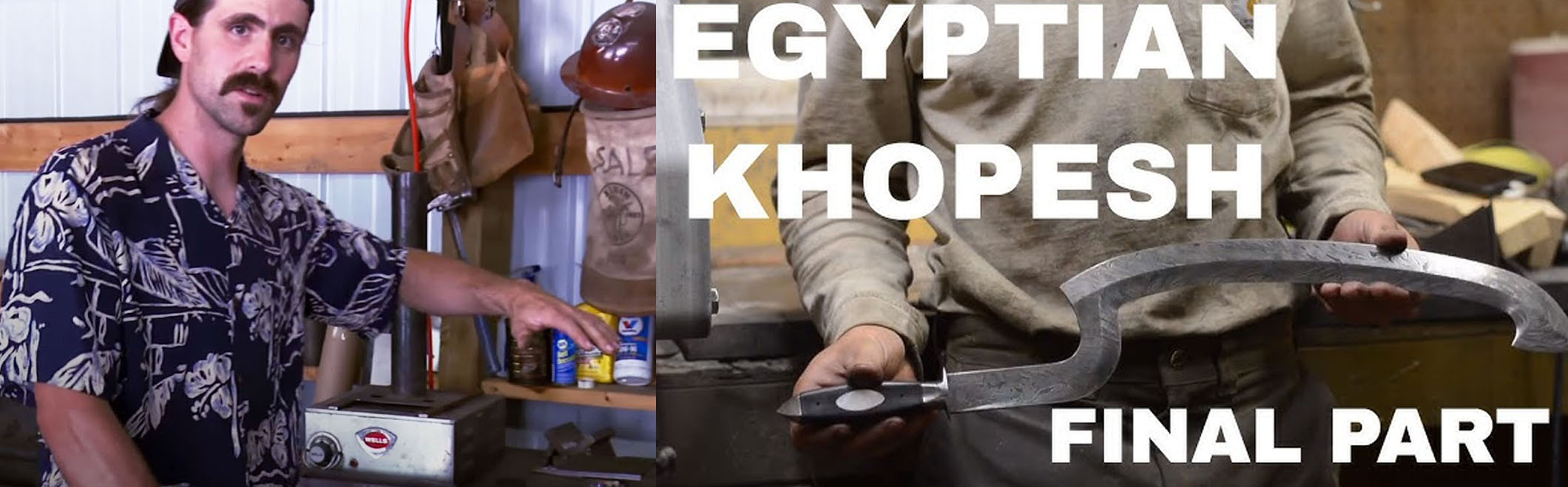
He forged a Khopesh, a curved sword with unusual weight distribution. The Khopesh places stress on specific parts of the blade, making balance and heat treatment difficult. His blade survived testing because the fundamentals were done correctly.
Burt Foster – Shotel
Burt Foster is an ABS Master Smith with decades of bladesmithing experience. He relied on traditional forging fundamentals rather than speed or shortcuts.
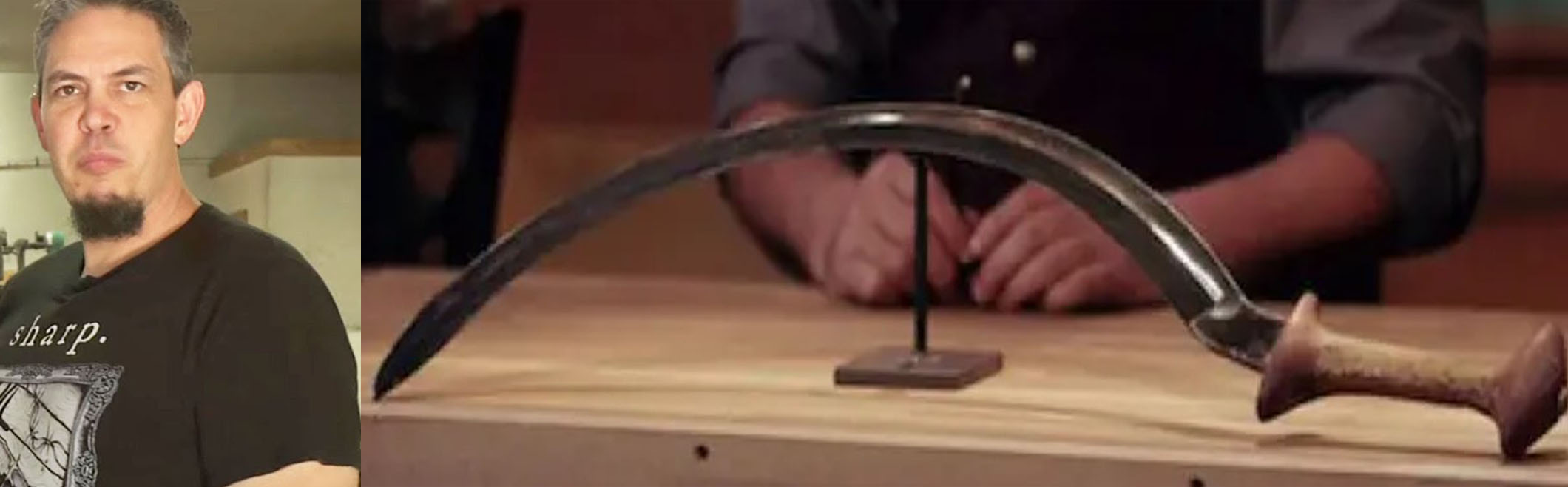
He won by forging a Shotel, a deeply curved Ethiopian sword that is difficult to heat treat evenly. The curve increases the risk of soft spots and cracks. His blade performed well because of careful heat control and experience.
What These Forged in Fire Wins Show
Forged in Fire rewards blades that work, not blades that only look good. Every winner listed here succeeded because they understood heat treatment, balance, and steel behavior.
The competition highlights modern bladesmithing under pressure, but the fundamentals it rewards are the same principles used in real-world blade making everywhere.
Want a Blade Forged for Real Use, Not a TV Timer?
Shows like Forged in Fire highlight how important heat treatment, balance, and structure really are. But competition blades are forged under strict time limits. Real custom forging is different.
At Everest Forge, we forge blades based on how they will actually be used — whether for collection, historical accuracy, outdoor work, or personal meaning. Every custom piece starts with your idea and is forged with proper heat treatment and careful finishing.
Legal Notice
Everest Forge is not affiliated with or endorsed by the Forged in Fire television program or the History Channel. All trademarks, logos, and names belong to their respective owners and are used for informational and commentary purposes only.