Curved vs. Straight Swords: Key Differences
Swords have been used for centuries in warfare, defense, and ceremonial purposes. The design of a sword often reflects its intended use, with curved swords and straight swords being two of the most prominent types. Each design offers unique advantages and drawbacks, making them suitable for different combat scenarios. In this article, we explore the key differences between curved and straight swords, focusing on their historical significance, practical applications, and pros and cons.
Historical Significance and Evolution
Sword design is more than just an aesthetic choice—it's a product of history, warfare strategies, and cultural preferences. The shape, length, balance, and material of a sword are all designed to optimize its functionality for a particular task. As civilizations developed, so did the sword, and the distinction between curved and straight swords became more pronounced.
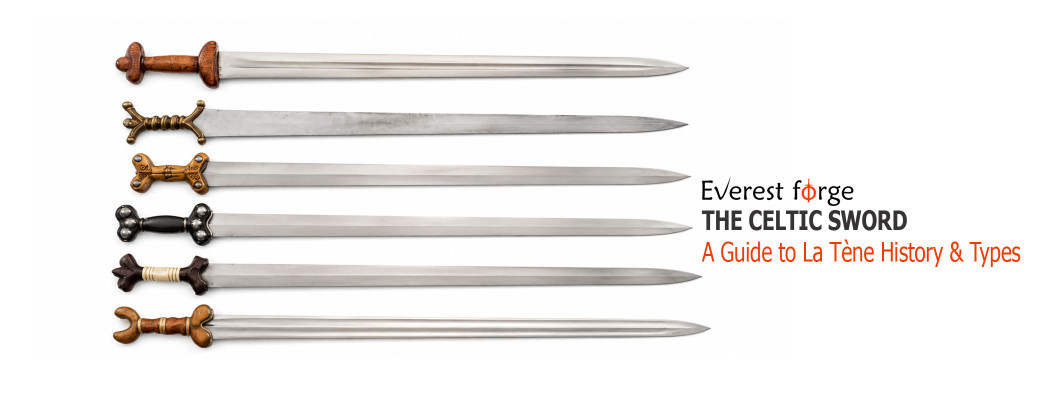
- Straight Swords: The straight sword has a long history, with examples like the Roman gladius and the medieval longsword. These swords were designed to excel at thrusting, with a pointed tip and a linear blade that allows for effective penetration.
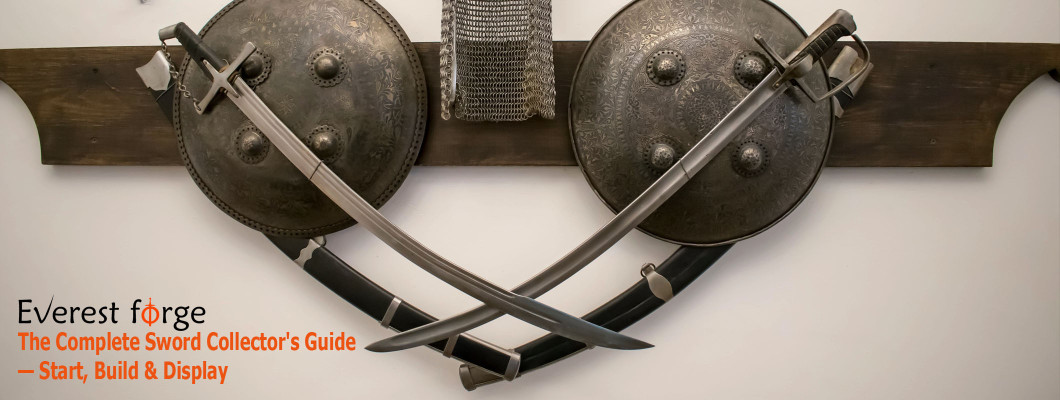
- Curved Swords: Curved swords, such as the katana, scimitar, and kukri, evolved in regions where mobility and slashing attacks were paramount. The curve allows the blade to deliver powerful, sweeping cuts, often used in mounted combat or rapid strikes.

Straight swords are often designed for thrusting and cutting, with a blade that is either single or double-edged. Their design provides excellent precision, especially when making thrusting motions.
Straight Swords: Precision and Control
Straight swords are often designed for thrusting and cutting, with a blade that is either single or double-edged. Their design provides excellent precision, especially when making thrusting motions.
Advantages of Straight Swords:
- Versatility: Straight swords are designed for both thrusting and cutting. The symmetrical blade allows for quick thrusts in close-quarters combat and powerful cuts when needed.
- Thrusting Power: The pointed tip of straight swords like the gladius and longsword enables them to pierce armor and deliver accurate, lethal strikes. They excel at stabbing through an opponent’s defenses with precision.
- Control: The linear design provides excellent control over the blade, making it easier to manipulate during defensive and offensive maneuvers. This control is essential for techniques like parrying or riposting.
- Historical Use: Straight swords have been integral to European warfare. The Roman gladius, for instance, allowed Roman soldiers to fight in tight formations, focusing on thrusting attacks. The medieval longsword, on the other hand, became a symbol of chivalry and was used in both combat and tournaments.
Examples of Straight Swords:
- Roman Gladius: A short, thrusting sword used by Roman soldiers in close combat.
- Medieval Longsword: A versatile sword used for both cutting and thrusting, favored by knights.
- Rapier: A slender, thrusting sword used in European duels, emphasizing speed and precision.
Curved Swords: Power and Fluidity
Curved swords are characterized by their arched blades, making them ideal for slashing and slicing attacks. The curvature enhances the sword's ability to generate force during a swing, allowing for fluid and dynamic movements.
Advantages of Curved Swords:
- Enhanced Cutting Power: The curve of the blade allows for a slicing motion that creates a longer cutting surface. This means curved swords can slice through targets more efficiently, especially during fast, fluid strikes.
- Momentum: The arc of the blade facilitates the generation of momentum, allowing for swift, powerful cuts. This makes them ideal for overwhelming an opponent with continuous, rapid attacks.
- Mounted Combat: Curved swords, such as the scimitar and katana, were perfect for mounted combat. The design allows the rider to strike while maintaining momentum, delivering powerful slashes from horseback.
- Cultural Symbolism: Curved swords are often revered in the cultures where they originated. The katana holds significant cultural value in Japan, representing the samurai's honor and craftsmanship. Similarly, the scimitar is a symbol of Arabian martial prowess.

Curved swords are characterized by their arched blades, making them ideal for slashing and slicing attacks. The curvature enhances the sword's ability to generate force during a swing, allowing for fluid and dynamic movements.
Examples of Curved Swords:
- Katana: The Japanese sword with a slight curve, known for its sharpness and cutting ability.
- Scimitar: A curved sword traditionally used in the Middle East, designed for slashing in mounted combat.
- Kukri: A unique curved blade from Nepal, known for its effectiveness in both combat and practical tasks.
Comparing the Two: Curved vs. Straight Swords
When deciding between curved and straight swords, it's essential to understand the distinct benefits each offers in different combat scenarios.
Straight Swords:
- Precision: Excellent for thrusting and precise strikes.
- Versatility: Ideal for both cutting and thrusting.
- Control: Offers more control, making them easier to handle in defensive situations.
- Limitations: While versatile, straight swords may lack the cutting power of curved blades, especially when quick, decisive slashes are needed.
Curved Swords:
- Cutting Power: Ideal for powerful slashes, especially in mounted or fast-moving combat.
- Momentum: The curve helps generate more momentum for dynamic strikes.
- Mounted Combat: Curved swords are often more effective on horseback, allowing for easier, more fluid attacks.
- Limitations: Curved swords can be less effective in thrusting and require more skill to control, especially for beginners.
Cultural Impact and Evolution
Both types of swords have had a significant impact on their respective cultures. Straight swords like the gladius and longsword are deeply ingrained in Western martial traditions, influencing the development of fencing and modern combat techniques. In contrast, curved swords have been central to Eastern and Middle Eastern cultures, with the katana and scimitar becoming symbols of martial excellence and cultural heritage.
Which One is Right for You?
The choice between a curved and straight sword depends on the intended use:
- For precise thrusting and a versatile fighting style, straight swords like the longsword or rapier are the ideal choice.
- For powerful slashes and fluid, rapid movements, curved swords like the katana or scimitar provide superior performance.
At Everest Forge, we craft both types of swords, ensuring each one is forged to the highest standards of quality, functionality, and craftsmanship. Whether you're seeking the precision of a straight sword or the cutting power of a curved blade, we have the perfect sword for your needs.
Conclusion
Straight and curved swords have each played vital roles in the evolution of warfare, martial arts, and cultural symbolism. While both types of swords have their strengths, the right choice depends on your combat style, historical preference, and practical needs. At Everest Forge, we specialize in hand-forged swords that reflect the tradition and craftsmanship of both styles.
Explore our collection of expertly crafted straight and curved swords and find the one that suits your needs.