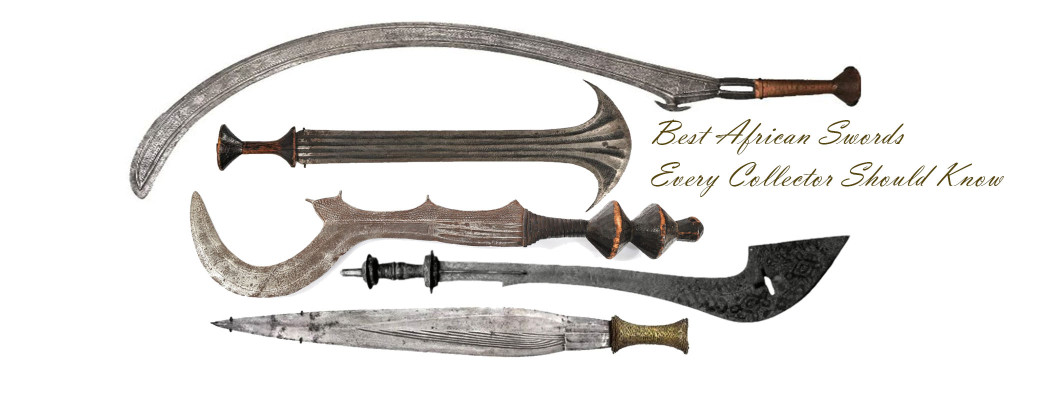
Best African Swords Every Collector Should Know
African swords are one of the most interesting swords ever. As opposed to most weapons produced with the sole purpose of fighting, these swords had cultural, spiritual and social significance. Every African blade was made by a hand of skill, usually with a time-honoured technique. Traditional African swords are a manifestation of both art and purpose through curved shapes that could be cut quickly and in a sweeping motion, as well as broad blades that demonstrated power and strength.
Swords had many functions all over the continent. A soldier could go to battle with a powerful sword in his hand, and a ceremonial African sword could belong to a governor at rites or tribal meetings. Others were symbolic, protective talismans, useful and efficient defensive weapons. It is this combination of utility and symbolism that makes African swords one of the best collectible treasures today.
African swords are more than steel to sword collectors and lovers of history. They relate the present and the past and provide an insight into the legacy of other cultures. Any true African sword has a tale to tell, either of North Africa, with all its desert kingdom influence, or Central and West African swords that tended to display rank and authority. This specifics of each work, the curve of the blade, the material of the handle, and the pattern of the hand-forged work make them objects of unique art.
The other reason why African swords are popular among collectors is that they come in a wide variety. There are numerous African varieties of swords on the continent, with their own unique pattern and aims. Others are short and best suited to close combat, but are long and used to impress at a ceremony. The variety of swords ensures every collector can find the right piece, whether for display, history, or research.
The task of taking care of these swords is included in the voyage as well. The collectors should know how to clean and oil the African swords and store them safely. A sharp blade lasts longer not just due to being well-maintained, but also able to preserve the history behind it. When African swords are on display, they are beautiful and can be preserved to serve the generations to come.
EverestForge provides its customers with hand-forged, genuine African swords. EverestForge seeks to provide the community with a hand-picked selection of African swords that are both collectible and displayable, and bring history and craftsmanship to your hands.
History and Cultural Significance of African Swords
African swords are closely associated with the African past. In various areas, blacksmiths came up with their own styles that were not only representative of the environment but also representative of the culture of the people. The swords that individuals of North and central Africa carried were generally curvy swords that were associated with the trade and conflicts in the desert and in West Africa. Most of the traditional swords that the African people used were broader and had patterns in them; these swords represented a status and a mark of identification. The skill and craftsmanship of the African blacksmiths who combined utility with art are revealed through these sources.
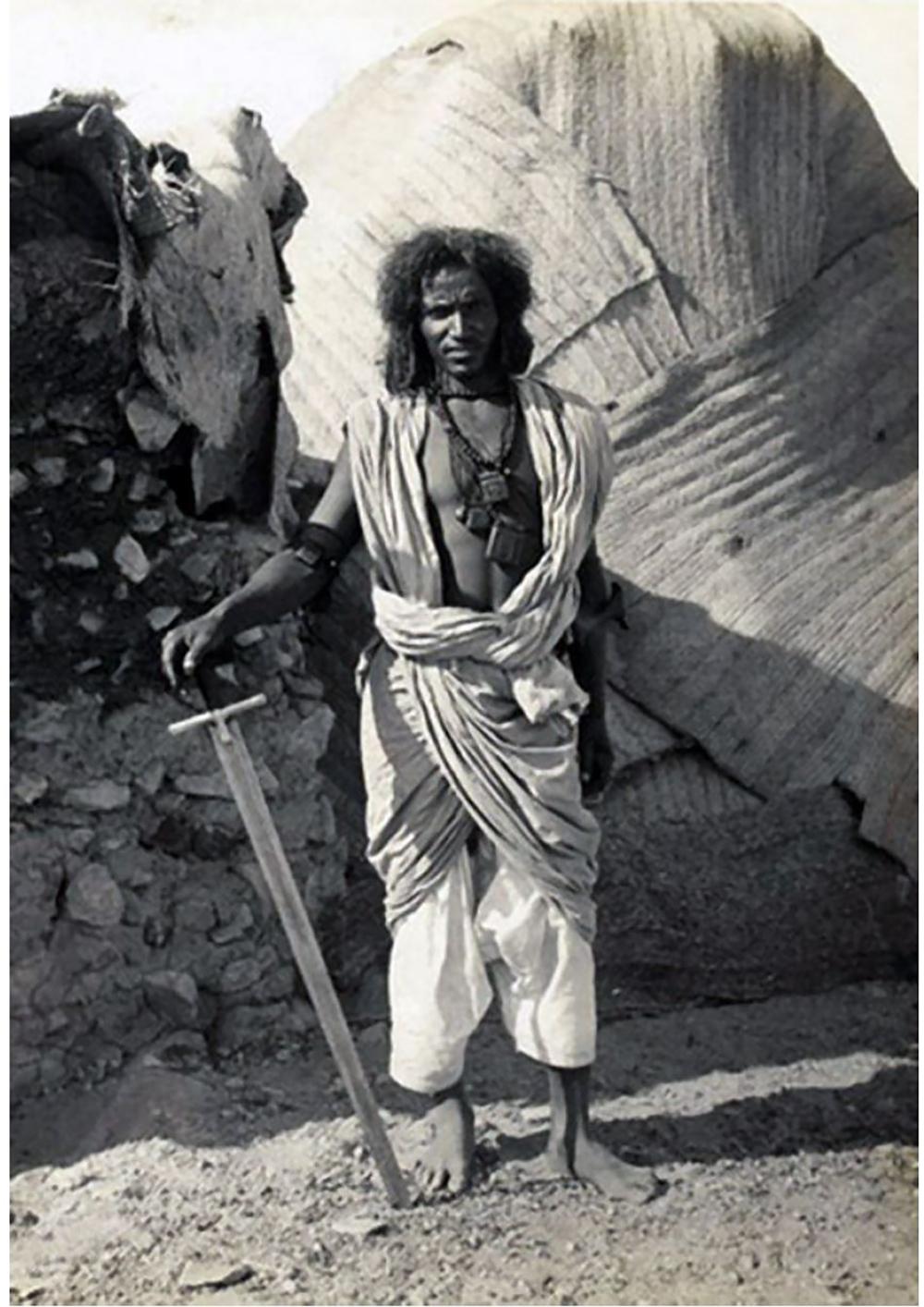
Swords have numerous roles in the history of the past. They would be useful defensive and strategic assets when wars arose between tribes, and warriors would defend their tribes. Outside the battle, they had worldly cultural meaning. An African sword was a ceremonial weapon that could be presented to leaders as a gift or used in rituals, or could be on display at significant meetings. Chiefs and spiritual leaders were commonly armed with swords as symbols of authority and honour as well as weapons. By this, the history of African swords is not only a battle history but also a history of tradition, emblematic symbolism, and rule.
Swords became a part of narrative and tradition, as well. They were also passed down through families, and represented honour and a connection to ancestors. The swords used in ancient Africa were highly decorated on the blade or handle and were a source of pride and culture. Even today, these swords still symbolize the power and pride of African people.
To the collectors, however, these weapons are much more than simply a piece of steel because of the cultural value attached to them. There is a legend attached to every genuine sword of who it was forged it and by whom it was used. To possess one is to have a historical artefact in your hands, connecting the present to the past.
Collectors will be able to learn more about these cultural narratives by visiting EverestForge, where they can see African swords. Every work is well selected to represent the history and art of the continent and, therefore, is the best to exhibit, preserve, and admire. In purchasing these swords for a collection, the enthusiast obtains a rare object, and at the same time identifies himself with the great Africans in their artisanship and their artistic abilities.
African Sword Types available in EverestForge and Their Unique Features
African swords come in remarkably diverse forms and are regionally, culturally, and purpose-specifically shaped. EverestForge offers a classic collection of types of swords used in Africa. We have machete-shaped blades and some rare ceremonial swords. They work stand by themselves in terms of story and construction, which is practical in exhibition and analysis.
- Konda Machete – African Blade: Among the best-known African blade styles is the Konda machete. It is broad and heavy and is both a weapon and a tool. It is a ceremony because it has a carved handle and an ornament on the blade, and its flat edge was used in chopping. Collectors like the konda machete because it is useful and well-made.
- Double Ngulu – Sickle Blade: The Double Ngulu is characterised by the sickle-shaped blades. This was a practical and symbolic weapon traditionally used in Central Africa and was related to power rituals. It is also particularly well designed to slice powerfully due to its curved shape, and gives a more impressive and intimidating look due to its two blades. To the collector, it is one of the most interesting types of African swords.
- Boa – African Sword: The Boa sword is an elegant weapon; it is long and thin. This blade was developed in Central African areas and is characterised by a straight profile and pointed tip. Its relevance to a battlefield and the fact that it is beyond rare make it popular as an exhibit due to its smoothness.
- Ngombe Ngulu- Ceremonial Sword: One of the swords that is more directly associated with ritual and power is the Ngombe Ngulu sword. This is an incurved blade, the ornamental part being wide and excised, a blade much used by chiefs or upon special occasions. It is a symbol of power and prestige, and not a weapon. The reason why people desire it is mostly its cultural significance and eye-catching appearance.
- Konda Sword- African Machete Sword: The Konda sword is more highly shaped than the Konda machete and is narrower-bladed and well-built. It can have carved handles and engraved designs, so it is more weapon-art than weapon. It is in a style that has been influenced by African blacksmiths who combined beauty and strength.
- Boa Zande Sword: The other unique blade is the Boa Zande sword, which is related to the Zande people. It is typically designed to look like a wide blade with artistic flair at the tip that is quite functional and appealing to the eye. People appreciate it due to its unique shape or form and the association with the historical culture of Central Africa.

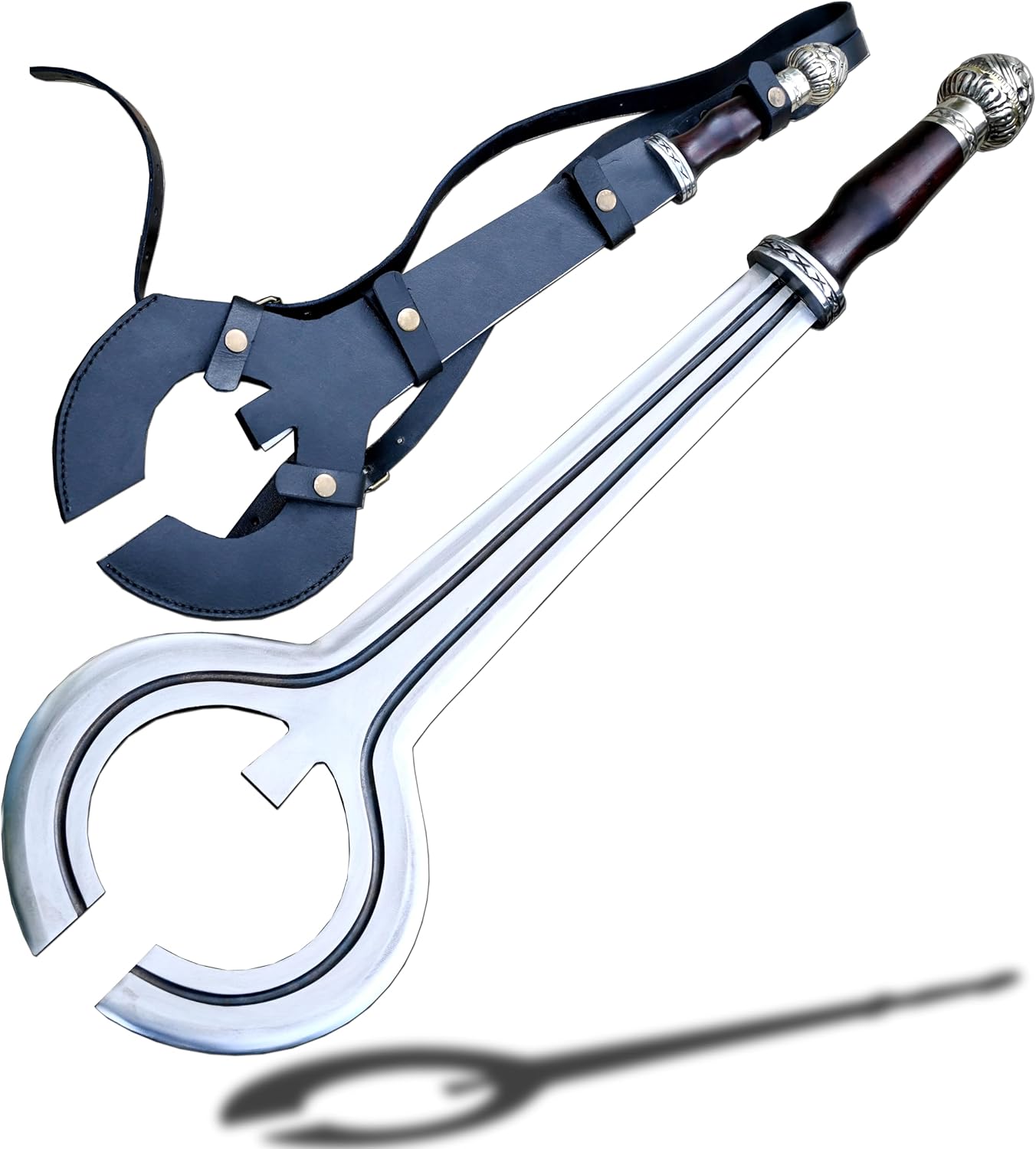


These types of African swords will be chosen at EverestForge to portray the variety of African dagger and blade designs. Symbolism in the two artworks represents the culture and the ingenuity of African art and craft, and the consumer is given a chance to own the historical and artistic symbolic expression of the past.
How to Identify Authentic African Swords
To a collector, an original African sword is one of the steps that matter the most. There are many fakes and knock-offs in the market, but the ability to identify a genuine African sword safeguards both your money and your collection.
The material is one of the original indicators of authenticity. The swords that existed had been hand-smithed with iron or steel, sometimes in the hands of master blacksmiths. Handwork typically creates small irregularities on the blades, which on modern counterparts are typically over-smooth or machine-polished. The handles can be made of wood, leather, or brass, and they will wear off eventually. The following facts give clues to the age and authenticity of a sword.
Another important factor is craftsmanship. The designs of a true African sword are commonly individual engraved designs, a carved handle, a cutout design, etc. They are a reminder of the culture in which they were made. The style of each region was its own, and these points cannot be easily reproduced through mass production. Hand-carved decorations on a sword, balance in the blade, comfortable and solid grip construction should be observed.
Another method of verifying the authenticity of a sword is provenance, or the ownership. The collectors like swords with records, or stories or cultural history. Although not all swords are well documented, any piece of information as to their provenience, tribe, or locality is a plus to their authority.
Replicas have to be avoided. A lot of the new imitations that appear as African swords are sold incorrectly. Those works can be made of low-cost material, poor construction, or non-traditional design. A sword that appears to be very new and has no marks of wear and tear must be treated with care. One of the safe ways of making sure is by consulting someone or even a vendor whom you can trust to guarantee quality.
In EverestForge, the collectors are provided with an authenticity guarantee. All the swords sold to the Africans are handpicked and checked to represent the true cultural art. EverestForge, which creates custom-forged African swords, is the place where enthusiasts can find high-quality swords.
Buying Guide for African Swords
To a collector, it is an exciting and difficult decision to buy an African sword. Having so many options, a person should be aware of what to consider when purchasing something. A sword is not only a weapon, but it is a historical art and work that can hold much value in the future.
One key factor is rarity. Certain swords of Africa are more difficult to locate than others, and so are more attractive to the collector. Unusual blade shapes, ritual use or local design are also often applied to make them more attractive. An original work of rare nature will not only be outstanding in a display, but may also grow in value over time.
A cheaper option is always tempting, but cheap swords are usually cheap imitations that are of poor quality, culturally incorrect, and not very durable. The actual investment in an authentic product tends to be more expensive, but the heritage and craftsmanship are well deserved. Authenticity and condition are the determinants of the collector value. Another aspect that collectors may not always look at when buying a sword is the long-term price of the weapon.
Knowing the quality of a sword will help buyers know what they will find in their collections. A preserved African sword whose features remain intact, either through carving, grips, or engravings, is of greater significance than one that has been much modified. Before purchasing anything, always check its quality guarantees, originality and customer care/service.
It is necessary to ensure that one buys an African sword safely and through trustworthy sources. Most online shops are crowded with copies, and to ensure that the purchased goods are not disappointing, it is best to deal with sellers who are trusted. EverestForge provides secure ordering, restricted collections and guarantees to locate the most appropriate African sword online and make it true and valuable.
EverestForge is a good place to purchase African swords for people who are certain about their purchase. The online store sells a well-curated range of genuine blades, both ceremonial and some of the rarer and more traditional models. All the swords pass through rigorous quality inspections, and people who buy them get only authentic products. EverestForge provides a secure method of making an order, exclusive collections and convenient ways of locating the best African sword on the Web and certifying its quality and value.
Collectors can make informed decisions and include significant entries into their collections with a sense of certainty.
Caring for Your African Sword Collection
The purchase of an African sword is a collection issue as well as a historical one. African swords that are well managed simply that all swords are in good condition and are not wasted. With good cleaning and keeping a sword could be used by many generations.
The first is maintenance and cleaning. Use of a soft cloth to wipe the blade after touching a sword removes fingerprints, dirt or moisture. The skin oil may get stained or rusty with time. A coating of protective oil is used to preserve African swords and stop them from drying up or corroding. Handles made of wood or leather are treated or gently polished to maintain their strength and prevent cracking.
Never leave swords in the hot air or in the direct sun, which will make the materials soft and cause trouble in the future. Swords are not to be kept in a moist environment, which can lead to rust. A cover or sheath will also protect the blade against scratches and dust. An appropriate African sword display is both convenient and appealing to the collector who likes to display his pieces. Display stands hold the blade in place as well as minimise the chances of a cut.
EverestForge ensures to maintain their collection in a secure, well-polished and presentable condition. Every sword can be a permanent emblem of the history and the workmanship of Africa with the appropriate treatment.
Conclusion: Why Collect African Swords
African swords reflects history, culture and art of Africa. Each blade represents the craft of skilful smiths, the culture of the people who made them and the histories of the communities that used them. You hold it in your hands like the history and the beauty of the African continent, because by possessing a collectible African sword, you have the history of the entire continent.
To a collector, an African sword collection is diverse, unique and valuable. Every weapon has a design and a history, from ritualised blades to hand forged fighting swords. Not only do these swords make beautiful showpieces, but they also link the collectors to centuries of tradition and craftsmanship.
Whether you want to collect or add to your collection, EverestForge offers a reputable place to buy genuine, custom-forged African swords. Swords are chosen in a way that is not only historically accurate but also collector-grade. You can see real blades in their display cases, libraries, or personal collections, bringing the rich history of African swords into your own space.
FAQs
What are African swords called?
The swords of Africa are differentiated by names in the regions where they are made. Some examples include the Konda, Ngulu, Boa, Takouba and Shotel, which can be used in various cultural and ceremonial ways.
What is an ikakalaka?
An African Ikakalaka is an African sword used in Central Africa with its wide and curved blade and decorative handle. It was worn as a symbol of power, status and culture during war and ceremonies.
What is the oldest African sword?
African swords were first introduced in ancient Egypt and Nubia over 3000 years ago. These were swords of bronze or iron in the field and in ritual, and early met