
Introduction to the Arming Sword
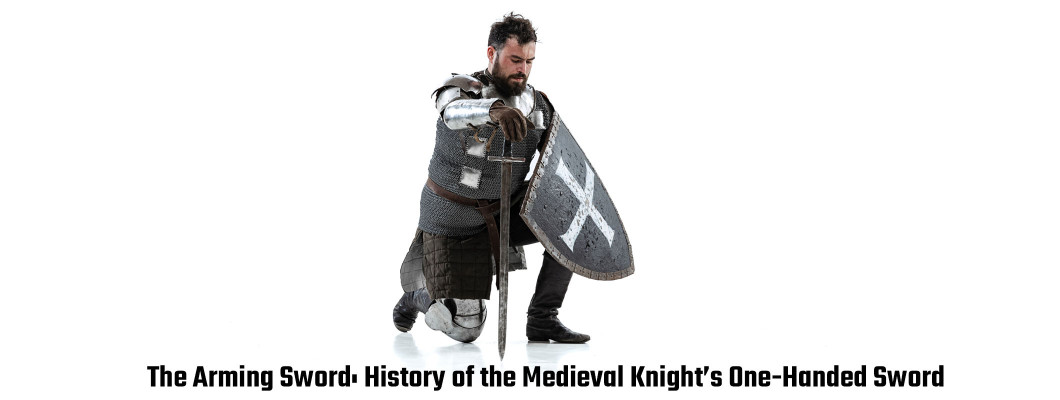
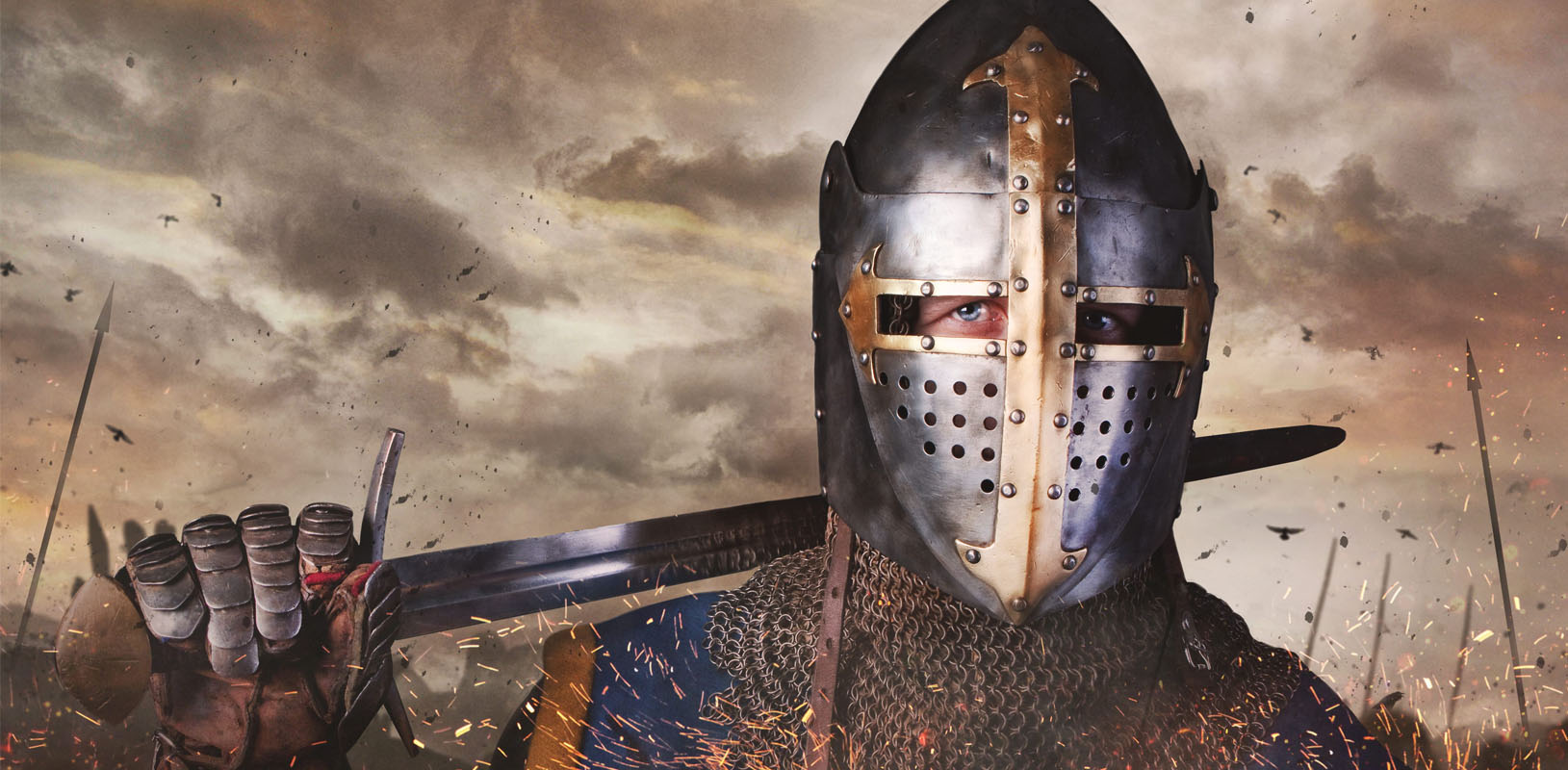
The arming sword is one of the most recognizable weapons of medieval Europe. Often associated with knights, castles, and the traditions of chivalry, this classic one-handed sword served as the standard sidearm of warriors from the 11th to the 15th century. Its balanced blade, cross-shaped guard, and reliable handling made it one of the most practical battlefield weapons of the Middle Ages.
Unlike larger two-handed swords that appeared later in medieval warfare, the arming sword was designed to be used with one hand while the other hand carried a shield. This combination allowed knights to defend themselves while delivering quick and controlled strikes.
Because of its versatility and balanced design, the arming sword became one of the most widely used weapons in medieval Europe and remains a defining symbol of the medieval knight.
What Is an Arming Sword?
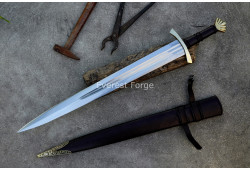
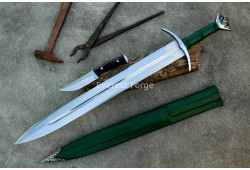
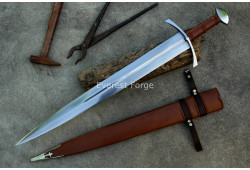
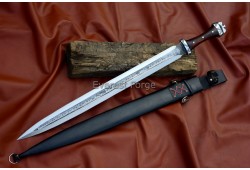
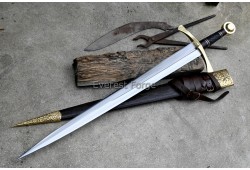
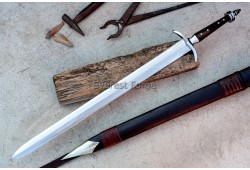
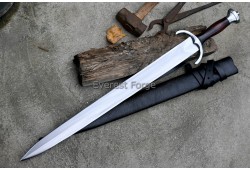
An arming sword is a straight, double-edged, single-handed sword used widely in medieval Europe. The weapon features a cruciform crossguard, a balanced pommel, and a blade typically measuring between 70 and 80 centimeters (about 28–32 inches).
The name “arming sword” comes from the phrase “in arms,” referring to the sword carried by a knight while fully equipped with armor and battlefield gear. It was essentially the standard sword worn as part of a knight’s everyday martial equipment.
Arming swords were designed to deliver both cutting and thrusting attacks, making them highly versatile weapons for close combat.
Origins of the Medieval Knight’s Sword
The arming sword evolved from earlier European blades used during the Viking Age. Viking swords already featured straight double-edged blades and simple guards, which gradually developed into the more refined medieval knight’s sword.
By the 11th century, this sword design had become the primary sidearm of European knights. During the Crusades, knights carried these swords into battles across Europe and the Middle East.
As armor technology evolved, swordsmiths refined blade shapes and balance. While larger swords such as the longsword later appeared, the arming sword remained popular because of its practical design and versatility.
Design and Characteristics of the Arming Sword
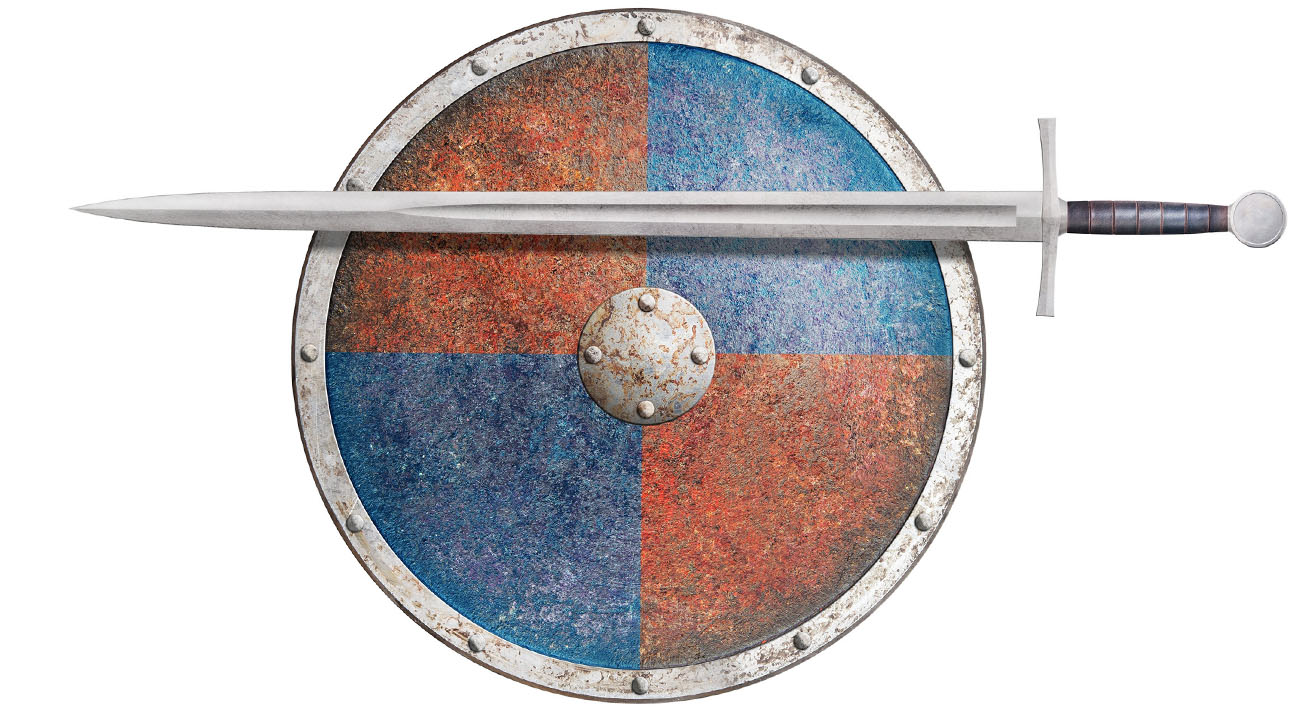
The arming sword has several defining features that distinguish it from other medieval weapons.
The blade is straight and double edged, allowing the wielder to strike from either side while still maintaining a sharp point for thrusting attacks.
The crossguard forms a simple horizontal bar that protects the hand from incoming strikes and helps control an opponent’s blade during combat.
The pommel at the end of the handle serves as a counterweight, balancing the sword and improving handling. In some situations it could also be used as a striking surface in close combat.
The grip is designed for one-handed use, allowing the warrior to carry a shield in the other hand.
How Knights Used the Arming Sword in Battle
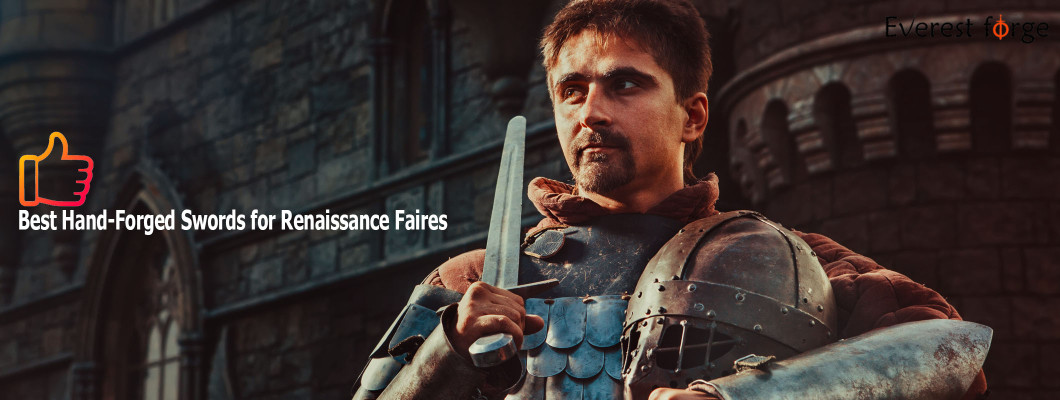
Medieval knights relied on many different weapons depending on the situation. Spears and lances were often used during mounted combat, but when battles moved into close quarters the arming sword became essential.
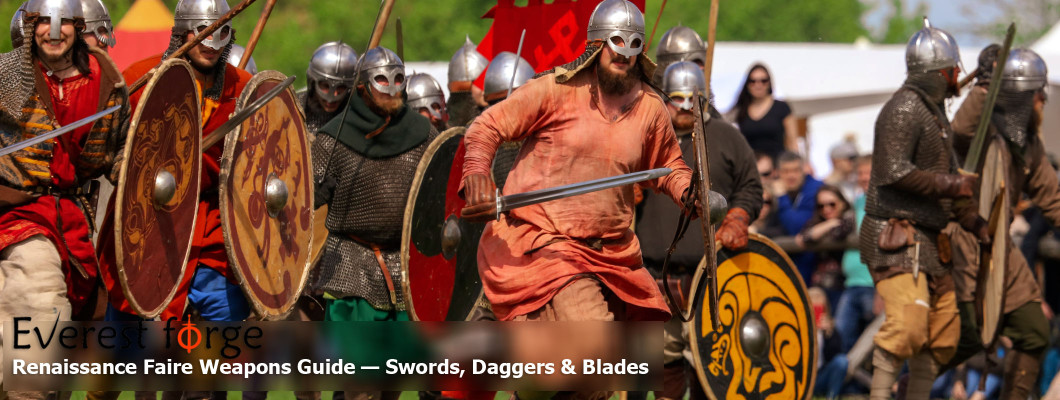
Knights frequently fought with a shield in one hand and the sword in the other. This allowed them to block attacks while striking quickly with the blade.
The balanced design of the arming sword made it suitable for both cutting attacks and precise thrusts aimed at weak points in armor.
Arming Sword vs Longsword
The arming sword and the longsword are both medieval European weapons, but they were designed for different combat styles.
The arming sword is a one-handed weapon typically used alongside a shield. Its shorter grip and lighter weight allow for quick movements and defensive fighting.
The longsword, by contrast, has a longer handle designed for two-handed use. This allows the wielder to generate more power and leverage during strikes.
Despite the rise of the longsword during the late medieval period, the arming sword remained widely used due to its practicality and adaptability.
Bring Your Own Knightly Sword to Life
The legendary design of the medieval arming sword continues to inspire collectors, reenactors, and sword enthusiasts today. Many people who admire historical weapons eventually want a sword inspired by authentic medieval designs.
If the history of the knight’s sword inspires you, it is possible to commission a blade designed specifically for you. At Everest Forge, custom swords are hand forged using traditional techniques, allowing enthusiasts to create blades inspired by historical weapons such as the arming sword.
You can request custom blade dimensions, handle materials, engraving, and other design features to create a sword that reflects your own vision of a medieval weapon.
The Enduring Legacy of the Arming Sword
Although centuries have passed since the medieval period, the arming sword remains one of the most recognizable weapons in history. Its balanced design and versatility made it a trusted companion of knights for generations.
Today historians, collectors, and modern bladesmiths continue to study and recreate these swords, preserving the legacy of medieval craftsmanship.
From castle walls and battlefield legends to modern collections and historical reenactments, the arming sword remains an enduring symbol of the medieval knight.