Why 5160 Carbon Steel (Leaf Spring) is Ideal for Swords, Knives, Kukris, and Machetes
When it comes to forging functional blades, one steel alloy has consistently proven itself above the rest: 5160 carbon steel, often called leaf spring steel. Known for its toughness, flexibility, and reliability, 5160 has been used for decades to create durable swords, knives, kukris, and machetes. At Everest Forge, we honor both tradition and sustainability by recycling old vehicle leaf springs and transforming them into working blades. This article explores why 5160 is trusted worldwide, how it behaves under heat treatment, and why it remains the steel of choice for real working blades.
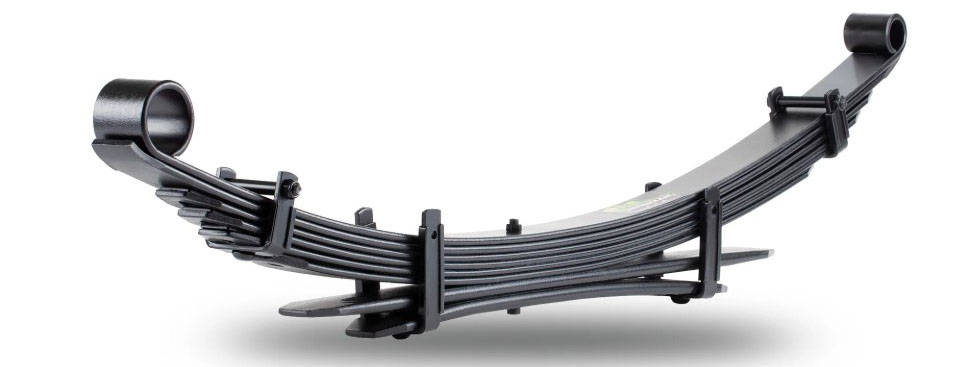
What is 5160 Carbon Steel?
5160 is a medium-carbon, chromium-alloy spring steel originally developed for automotive suspension systems. Vehicle leaf springs must flex thousands of times under stress without breaking, which makes this alloy perfect for blades that need to withstand heavy impact. With the right heat treatment, 5160 provides the strength to cut and the flexibility to bend without failure.
The chemical composition of 5160 gives it unique qualities:
- Carbon: 0.56–0.64% for hardness and edge retention.
- Chromium: 0.7–0.9% for wear resistance and deep hardening.
- Manganese: 0.75–1.0% for toughness and strength.
- Silicon: 0.15–0.35% for springiness and fatigue resistance.
Why Bladesmiths Prefer 5160
Bladesmiths choose 5160 because it balances strength and flexibility in a way few other steels do. It is forgiving during forging and heat treatment, while also delivering dependable performance in the field. Unlike brittle high-carbon steels, 5160 survives impact-heavy use without cracking.
- Toughness: Withstands chopping and striking without snapping or chipping.
- Flexibility: Bends slightly under stress and springs back to shape, making it ideal for long blades.
- Edge performance: Holds a strong working edge and dulls predictably, often rolling rather than chipping.
- Forging friendliness: Oil quenches safely, normalizes well, and grinds cleanly.
Recycling Leaf Springs: From Scrap to Blade
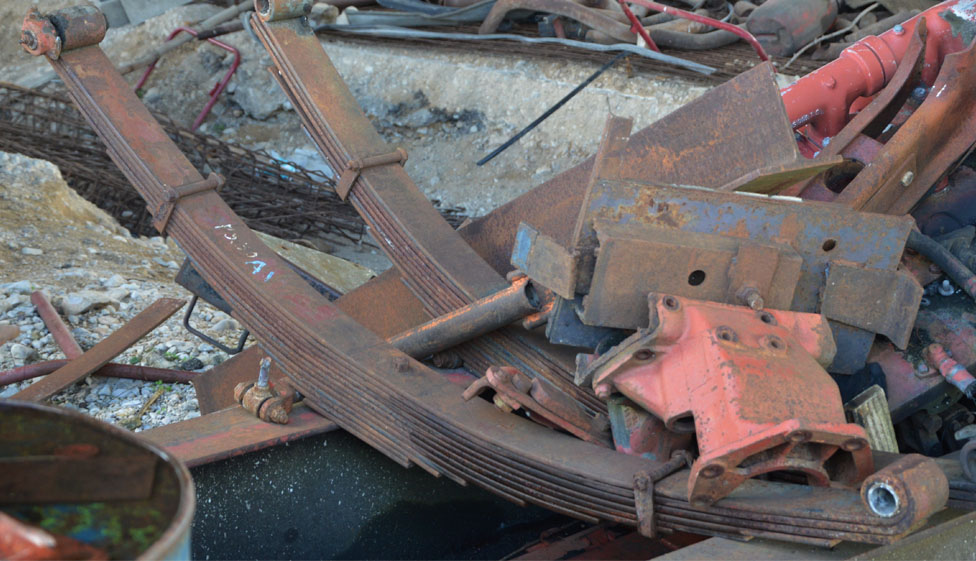
One of the defining traditions of Nepalese smithing is the use of recycled steel. At Everest Forge, we continue this practice by sourcing old vehicle leaf springs and giving them new life as swords, knives, kukris, and machetes. Instead of rusting in scrap yards, this high-quality steel is reforged into blades that can serve for generations.
- Heritage: Nepalese blacksmiths have long repurposed springs and rails into khukuris, symbolizing resourcefulness and tradition.
- Environment: Recycling reduces waste, conserves energy, and lowers demand for new steel production.
Every Everest Forge blade is therefore not only a functional tool but also a statement of sustainability and heritage.
5160 in Swords
Swords require steel that is both strong and flexible. A brittle sword risks breaking, while a soft one may bend permanently. 5160’s deep hardening ensures durability, while its spring-like properties prevent catastrophic failure. Whether forging Nepalese long khukuri-style swords, Indian talwars, or medieval replicas, smiths trust 5160 to endure strikes, parries, and full-force cuts.
5160 in Knives
Knives forged from 5160 excel in demanding field conditions. Hunters and bushcrafters need blades that can skin game, cut bone, split wood, and perform camp chores without failure. 5160 resists chips, takes a fine edge, and sharpens easily in the field. Compared to stainless, it needs more care, but it delivers toughness stainless cannot match.
5160 in Kukris
The Kukri, or Khukuri, is the iconic blade of Nepal and a symbol of the Gurkhas. Traditionally forged from recycled springs, the kukri has always been connected to 5160 steel. Its forward-curved design demands a steel that can endure chopping, slicing, and fighting. 5160 is perfectly suited because it can hold a razor edge while withstanding repeated impact.
5160 kukris are used for:
- Military service: Trusted by Gurkhas in combat.
- Utility work: Clearing brush, chopping wood, cutting meat, and daily farm tasks.
- Survival: A single kukri can replace axe, knife, and machete in the wild.
For generations, kukris made from recycled leaf springs have proven themselves as tools of resilience. Everest Forge continues this tradition, hand-forging kukris that honor heritage while meeting modern functional demands.
5160 in Machetes
Machetes face some of the toughest conditions. They chop wood, clear thick vegetation, and serve as survival tools. Forged 5160 machetes excel because they flex without breaking, absorb impact, and cut all day long without failure. Farmers, survivalists, and military users worldwide have relied on 5160 machetes for their resilience and endurance.

Feature Breakdown of 5160 Carbon Steel
Heat Treatment: 5160 hardens reliably in oil and tempers into tough martensite. Hardness can be adjusted between 50–58 HRC:
- Swords: 50–54 HRC for toughness.
- Kukris and heavy choppers: 52–56 HRC with softer spines.
- Machetes: 52–54 HRC for repeated chopping.
- Knives: 56–58 HRC for edge holding.
Toughness and Flexibility: 5160 bends without breaking, making it ideal for long blades and kukris that must withstand hard chopping.
Edge Performance: Holds a strong edge with convex grinds, resists chipping, and dulls in a way that is easy to resharpen.
Corrosion Resistance: Not stainless; requires oiling and dry storage. With care, it lasts generations.
Workability: Forges smoothly, grinds well, and takes both rustic and polished finishes.
5160 Compared to Other Steels
- 5160 vs 1095: 1095 takes sharper edges but is brittle in long blades. 5160 is safer for swords, kukris, and machetes.
- 5160 vs 80CrV2: Both are tough. 80CrV2 reaches higher hardness; 5160 is more forgiving and proven for kukris and long blades.
- 5160 vs 52100: 52100 excels in small knives. For kukris and machetes, 5160’s shock toughness wins.
- 5160 vs Stainless: Stainless resists rust; 5160 outperforms in durability, especially in large, impact-driven blades.
The Environmental Advantage
Forging with recycled leaf springs is both practical and eco-friendly. Every kukri, sword, knife, or machete made from 5160 keeps usable steel out of landfills and reduces demand for new steel. Everest Forge blends sustainability with tradition, ensuring every blade carries a story of heritage and responsibility.
Caring for 5160 Blades
Basic care ensures a long life for your 5160 blade:
- Keep blades dry after use.
- Apply light oil or wax to protect from rust.
- Avoid long-term leather sheath storage.
- Sharpen with a strop or stone; convex edges excel.
- Accept natural patina as protective character.
Why Everest Forge Chooses 5160
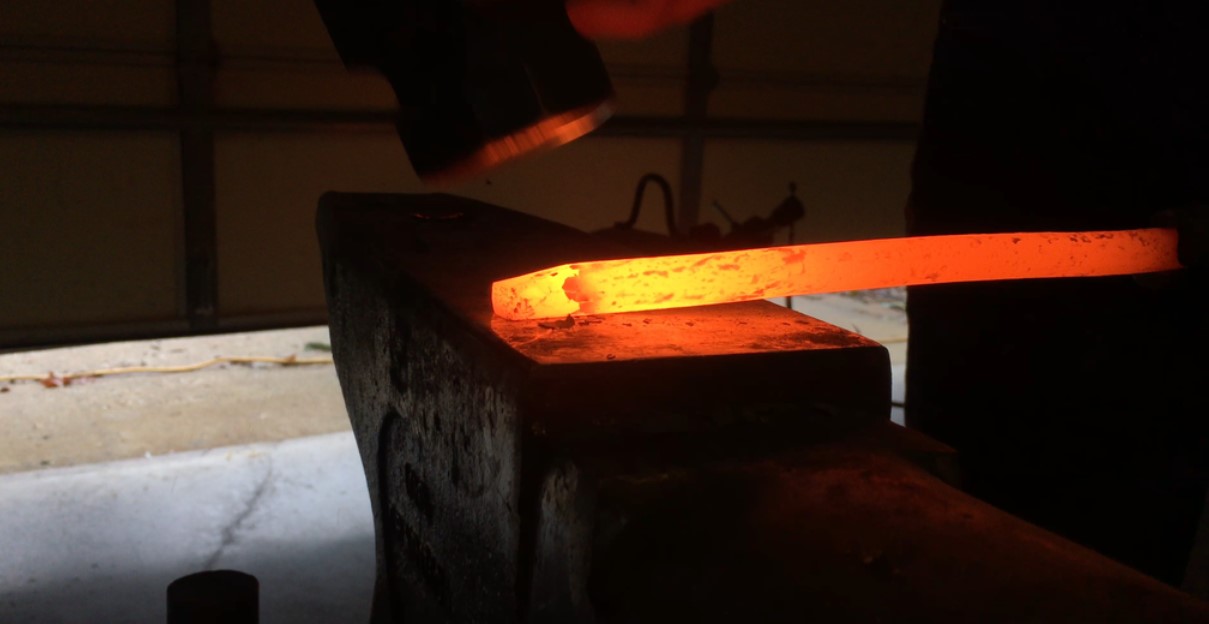
At Everest Forge, we hand-forge swords, knives, kukris, and machetes from recycled 5160. Using Nepalese methods—oil quenching, hammer forging, and careful tempering—we bring out the best in this steel. Each blade is not only a working tool but also a reflection of tradition, sustainability, and performance.
Request a Custom Forge
Have a design in mind? We can hand-forge your sword, kukri, knife, or machete to your exact specifications using working-grade 5160 steel.
Start Your Custom ForgeConclusion
5160 carbon steel has rightly earned its place as the backbone of working blades. Its toughness, edge performance, and flexibility make it perfect for swords, knives, kukris, and machetes. By recycling vehicle springs into new blades, Everest Forge honors the past, reduces waste, and forges tools ready for the future. For those seeking blades that truly perform, 5160 remains the steel of choice.
Frequently Asked Questions
Is 5160 good for kukris?
Yes. 5160 is the traditional choice for khukuris, offering toughness, edge retention, and flexibility for chopping and fighting.
Does 5160 rust?
Yes, if neglected. With oiling, drying, and proper storage, rust is easily prevented.
Is recycled leaf spring steel reliable?
Absolutely. Properly inspected and heat-treated, recycled springs make excellent blades. Everest Forge carefully prepares each spring before forging.
What hardness can 5160 achieve?
Depending on blade type, 5160 can be tempered between 50 and 58 HRC. Kukris and machetes are kept slightly softer for toughness, while knives are hardened more for edge retention.
Why use 5160 instead of stainless steel?
Stainless steels resist rust but are not as tough for impact use. 5160 outperforms in durability and reliability for swords, kukris, knives, and machetes.