


Brand: Everest Forge
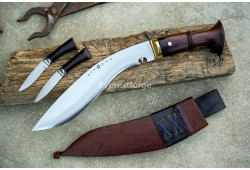
The Classic Sirupate Kukri is a traditional Nepali khukuri design, prized for its slim, leaf-like blade profile that makes it lighter, faster, and easier to handle than heavier kukri styles. The name “Sirupate” comes from the siru grass leaf, which the blade closely resembles in shape. ..
$149.99
Ex Tax:$149.99
Brand: Everest Forge
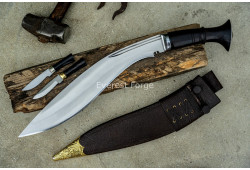
The Villager Sirupate Khukuri is a simple yet powerful working blade, modeled after one of Nepal’s most famous traditional kukris. Known for its slim, leaf-shaped design, the Sirupate is lightweight, fast in the hand, and versatile for everyday use. This version is forged in the authent..
$99.99
Ex Tax:$99.99
Brand: Everest Forge
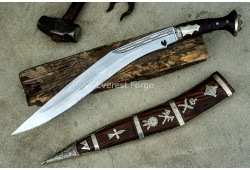
Historical Angkhola Kukri – Hand-Forged Traditional Khukuri with Double Fuller Design
The Historical Angkhola Kukri is a robust and battle-proven blade style that draws inspiration from traditional Gurkha weaponry used in the early 20th century. Featuring a broad 14-inch blade with..
$154.99
Ex Tax:$154.99
Brand: Everest Forge
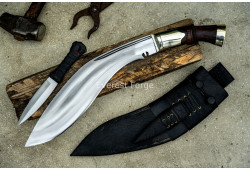
Chitlange Wooden Scabbard Khukuri – Hand-Forged Traditional Kukri with Decorative Rosewood Sheath
The Chitlange Superior Khukuri is a beautifully refined evolution of the traditional Chainpure-style kukri. Crafted for both cutting efficiency and cultural expression, this khukuri fe..
$194.99
Ex Tax:$194.99
Brand: Everest Forge
Budhune Angkhola Kukri – Classic Hand-Forged Khukuri with Double Fuller and MUK Knife
The Budhune Angkhola Kukri (Classic) is a historically inspired blade that blends traditional Nepalese design with functional power. Featuring a 14-inch broad blade with double fullers and a prono..
$164.99
Ex Tax:$164.99
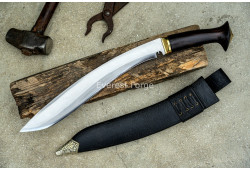
Brand: Everest Forge
Classic Sirupate Kukri – 14-Inch Hand-Forged Khukuri Machete with Rosewood Handle
The Classic Sirupate Kukri is a sleek, traditionally styled machete forged for power, reach, and cutting precision. Inspired by the Sirupate design—known for its slim and elongated blade—this kukri is..
$144.99
Ex Tax:$144.99

Brand: Everest Forge
Chitlange Kukri/Khukuri – Traditional Working Blade with Distinct Curved Spine
The 10-Inch Chitlange Kukri (also spelled Khukuri) is a uniquely styled working blade rooted in Nepalese tradition. Known for its flared belly and slightly curved spine, the Chitlange kukri delivers impr..
$94.99
Ex Tax:$94.99
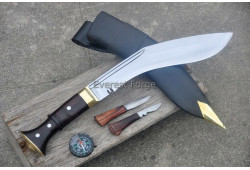
Brand: Everest Forge
Classic Panawal Angkhola Khukuri/Kukri – 12-Inch Full Tang Utility Kukri by Everest Forge
The Classic Panawal Angkhola Khukuri is a rugged and reliable blade designed for real-world use — a fusion of traditional Nepalese blade-making and practical outdoor performance. With its thic..
$134.99
Ex Tax:$134.99
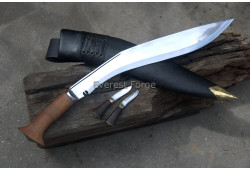
Brand: Everest Forge
Classic Chainpure Khukuri/Kukri – 16-Inch Traditional Blade with Rosewood Handle
The Classic Chainpure Khukuri is a faithful tribute to one of Nepal’s most iconic and regionally distinct blades. Originating from Chainpur in eastern Nepal, this khukuri is recognized by its elegant, ..
$164.99
Ex Tax:$164.99
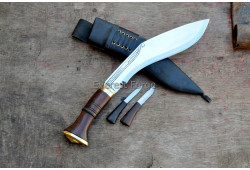
Brand: Everest Forge
Standard Bhojpure Khukuri – Traditional Nepalese Kukri for Daily Utility & Ritual Use
The Standard Bhojpure Khukuri (also spelled Kukri) is a time-honored blade rooted in Nepalese daily life and cultural tradition. Originating from the hill district of Bhojpur in eastern Nepal,..
$89.99
Ex Tax:$89.99

Brand: Everest Forge
Chirra Bhojpure Khukuri | 3-Fuller Traditional Kukri with Whitewood Handle
Chirra Bhojpure Khukuri – Traditional 3-Fuller Kukri with Whitewood Handle
The Chirra Bhojpure Khukuri is a traditional Nepalese kukri, renowned for its dis..
$144.99
Ex Tax:$144.99
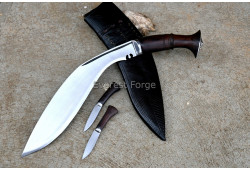
Brand: Everest Forge
Balance Bhojpure Khukuri | Lightweight Traditional Kukri from East Nepal
Balance Bhojpure Khukuri/Kukri – Lightweight Classic from East Nepal
The Balance Bhojpure Khukuri is a timeless kukri inspired by the classic Bhojpure style from eastern Nepal. Caref..
$139.99
Ex Tax:$139.99
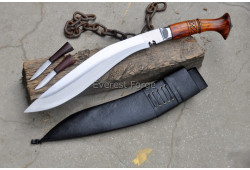
Brand: Everest Forge
SirAng Khukuri/Kukri – Full-Fuller Sirupate for Speed and Strength
The SirAng Khukuri is a modern hybrid kukri that fuses the elegance and speed of the Sirupate design with the strength and weight-reduction properties of the Angkhola fuller groove. This makes it an ideal blad..
$134.99
Ex Tax:$134.99

Brand: Everest Forge
18-Inch Maar Khukuri/Kukri – Traditional Sacrificial Blade of Nepal
The 18-Inch Maar Khukuri is one of the most powerful and culturally significant blades in Nepalese tradition. Hand-forged in the style of classic Bhojpure kukris, it is specifically designed f..
$194.99
Ex Tax:$194.99
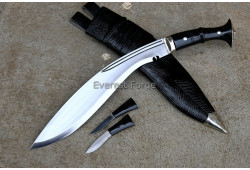
Brand: Everest Forge
Banspate Khukuri/Kukri – Bamboo Leaf Blade Style from Eastern Nepal
The Banspate Khukuri is a rare and elegant traditional kukri design from Eastern Nepal, inspired by the natural curve of the bamboo leaf—known as “Bans Paat” in Nepali. With its unique 14-inch..
$149.99
Ex Tax:$149.99
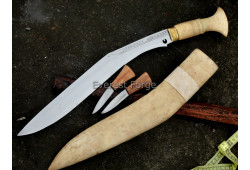
Brand: Everest Forge
Chainpure Whiteout Khukuri | 16-Inch Traditional Kukri with White Handle & Scabbard
Chainpure Whiteout Khukuri/Kukri – 16-Inch Traditional Blade with Whitewood Handle
The Chainpure Whiteout Khukuri is a bold reimagining of one of Nepal’s most iconic t..
$164.99
Ex Tax:$164.99
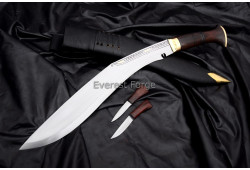
Brand: Everest Forge
SiruPate Khukuri/Kukri – Lightweight Nepalese Kukri for Field and Ceremony
The 15-inch SiruPate Khukuri is a legendary Nepalese blade designed for efficiency, reach, and mobility. Named after the leaf of the “Siru” plant found in the hills of Nepal, this kukri’s slim, curved ..
$144.99
Ex Tax:$144.99
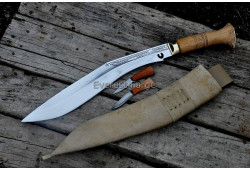
Brand: Everest Forge
Chitlange Desert Khukuri/Kukri – Tactical Blade for Arid and Harsh Terrain
The Chitlange Desert Khukuri is engineered for extreme environments where sand, heat, and dry conditions challenge both blade and user. This robust kukri combines traditional Nepalese f..
$134.99
Ex Tax:$134.99
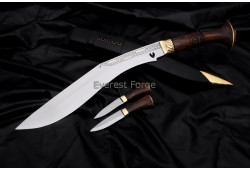
Brand: Everest Forge
Chitlange Superior Khukuri | Hand-Forged Kukri with Extended Bevel Blade
Chitlange Superior Khukuri/Kukri – Forged All-Rounder with Extended Bevel Blade
The Chitlange Superior Khukuri (Kukri) is a refined and powerful evolution of the trad..
$134.99
Ex Tax:$134.99

Brand: Everest Forge
Classic Bhojpure Kukri – 18th Century Reproduction with 14-Inch Polished Blade and Horn Handle
The Classic Bhojpure Kukri is a faithful reproduction of a historic 18th-century variant from Bhojpur, Nepal — a region famed for producing some of the most iconic kukris in histo..
$149.99
Ex Tax:$149.99
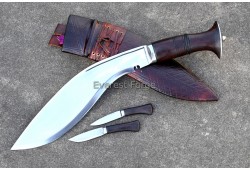
Brand: Everest Forge
Budhune Kukri (Classic) – Traditional Broad-Bellied Khukuri with Re-Curved Blade, Hand-Forged in Nepal
The Budhune Kukri (Classic) is a traditional and historic design built for agility, balance, and cutting power. With its broad, re-curved blade and lightweight constructio..
$144.99
Ex Tax:$144.99

Brand: Everest Forge
Salyani Khukuri/Kukri – Traditional Curved Heritage Blade from Western Nepal
The Salyani Khukuri (also spelled Kukri) is a historic blade that originates from the Salyan district of western Nepal. Revered for its legacy and distinctive appearance, this khukuri is one of the most ic..
$144.99
Ex Tax:$144.99
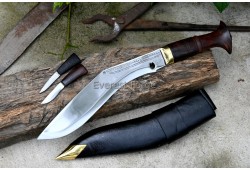
Brand: Everest Forge
ChainPure Kukri/Khukuri – 10-Inch Traditional Lightweight Domestic Blade from Chainpur, Nepal
The ChainPure Kukri (also spelled Khukuri) is a lightweight, highly functional blade originating from the village of Chainpur in eastern Nepal. Designed for daily domestic and field use, t..
$84.99
Ex Tax:$84.99
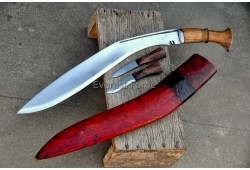
Brand: Everest Forge
Sherpa Sirupate Khukuri/Kukri – Hand-Forged Himalayan Working Blade with Yak Leather Scabbard
The Sherpa Sirupate Khukuri (also spelled Kukri) is a refined working blade used by the Sherpa people of Nepal—renowned for their endurance, craftsmanship, and connection to the Himalayas...
$174.99
Ex Tax:$174.99
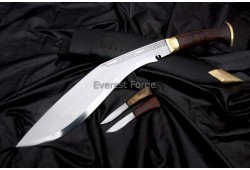
Brand: Everest Forge
Bhojpure Khukuri/Kukri – 16-Inch Traditional Working Blade with Cultural & Religious Heritage
The Bhojpure Khukuri (also spelled Kukri) is one of the most iconic and culturally significant traditional knives of Nepal. Named after the hilly village of Bhojpur in eastern Nepal, t..
$189.99
Ex Tax:$189.99

Brand: Everest Forge
Kasai Khukuri/Kukri –Traditional Butcher Kukri with Black Blade
The Kasai Khukuri (also spelled Kukri), meaning "butcher’s khukuri" in Nepali, is a heavy-duty working blade forged for serious tasks. Inspired by the traditional Nepali butcher's knife known as the “Dau,” this hand-fo..
$124.99
Ex Tax:$124.99
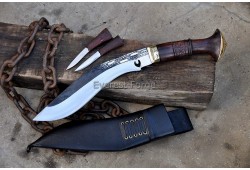
Brand: Everest Forge
Chitlange Kukri/Khukuri – Traditional Working Blade with Distinct Curved Spine
The 10-Inch Chitlange Kukri (also spelled Khukuri) is a uniquely styled working blade rooted in Nepalese tradition. Known for its flared belly and slightly curved spine, the Chitlange kukri delivers impr..
$89.99
Ex Tax:$89.99
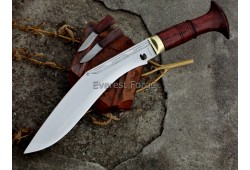
Brand: Everest Forge
Chainpure Kukri – Traditional Village Working khukuri with Rosewood Handle
The 10-Inch Chainpure Kukri is a time-tested working blade rooted in the daily lives of Nepal’s rural communities. Forged in the traditional style by village blacksmiths, this kukri is designed for pra..
$89.99
Ex Tax:$89.99