
Types of Asian Swords – Chinese & Japanese Mastery
Across Asia, swordmaking evolved into a sacred art where metal met philosophy. Chinese and Japanese masters forged blades not only for battle but for balance, honor, and perfection. These types of Asian swords reflected centuries of refinement — from the straight-edged Jian of China to the curved Katana of Japan — each embodying discipline, beauty, and the warrior’s spirit.
Let’s explore the most iconic types of Chinese and Japanese swords — weapons that transcended warfare to become symbols of cultural identity and craftsmanship.
Jian Sword (China)

The Jian, often called the “Gentleman’s Sword,” is the oldest and most refined of all types of Chinese swords. With a straight, double-edged blade, it has been used for over 2,500 years — by scholars, nobles, and warriors alike. The Jian represents balance and virtue: a blade as sharp as it is wise.
Forged from folded steel, its elegant geometry allowed both thrusting and slashing. In Taoist philosophy, the Jian is a symbol of clarity and moral strength — a weapon wielded by those who seek mastery of self before mastery of battle.
Dao Sword (China)

The Dao, known as the “General’s Sword,” is the curved, single-edged counterpart to the Jian. Its design emphasizes cutting power and fluid motion, making it one of the most effective types of Chinese sabers. The Dao evolved into various forms across dynasties — from long cavalry sabers to short sidearms for infantry.
Praised for its strength and agility, the Dao came to symbolize courage and leadership in Chinese martial culture. Today, it remains central to Kung Fu and military history.
Dadao Sword (China)
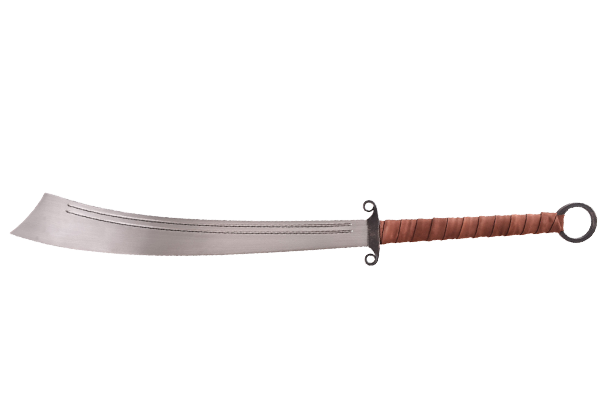
The Dadao — literally “Big Knife” — is a broad-bladed Chinese sword with a simple but deadly design. Favored by peasants and soldiers alike, it was easy to forge and devastating in close combat. During the 20th century, Chinese resistance fighters revived the Dadao as a weapon of defiance.
Though unrefined in appearance, the Dadao carries immense historical value — a reminder that true power lies in the spirit of those who wield it, not the ornament of the blade.
Changdao (China)

The Changdao, or “Long Saber,” was a massive two-handed Chinese sword used by elite warriors during the Ming Dynasty. Its long, curved blade provided reach and leverage against cavalry. Among all types of Chinese swords, it shares similarities with Japan’s Nodachi, reflecting early cultural exchange between the two nations.
While difficult to wield, the Changdao symbolized strength and mastery. It is still practiced in traditional Chinese martial arts as a form of balance and endurance training.
Zhanmadao (China)

The Zhanmadao — meaning “horse-cutting sword” — was a large anti-cavalry weapon used during the Song Dynasty. With a long, single-edged blade, it was designed to slice through armor, horses, and riders in one stroke. Among the types of Chinese battlefield swords, the Zhanmadao stands as a symbol of tactical innovation and raw power.
Though rare today, its influence can be seen in later Asian greatswords, including the Japanese Nodachi and Korean Hwandudaedo.
Sword of Goujian (China)
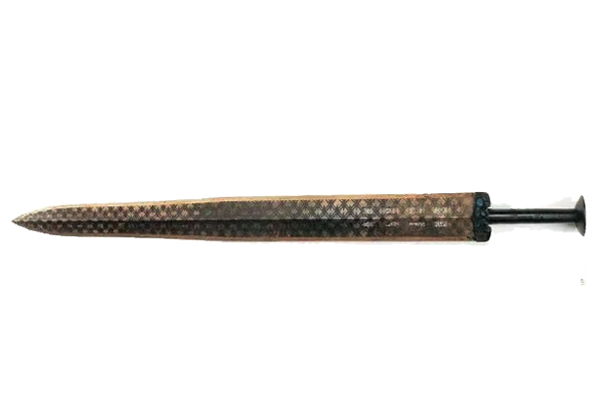
The Sword of Goujian is one of the most legendary and best-preserved ancient swords ever discovered. Dating back over 2,000 years to the Spring and Autumn period, it belonged to King Goujian of Yue, a ruler remembered for perseverance, cunning, and ultimate triumph. Unearthed in near-perfect condition, the sword’s flawless preservation continues to amaze historians and metallurgists.
Crafted from a highly advanced bronze alloy with intricate geometric patterns and turquoise inlays, the Sword of Goujian is both a functional weapon and a masterpiece of ancient metallurgy. Its remarkable sharpness and resistance to corrosion demonstrate the skill of early Chinese sword-making. Symbolically, the sword represents endurance, resilience, and the unyielding spirit of a king who rebuilt his kingdom through strategy and patience.
Niuweidao (China)

The Niuweidao, or “Ox-Tail Saber,” is a later Chinese weapon from the Qing Dynasty, featuring a pronounced curve and flared tip. It is one of the most popular types of Chinese swords seen in modern Kung Fu and cinema. Its heavy blade excels at wide, sweeping cuts.
Known for balance and visual grace, the Niuweidao bridged the gap between traditional weapons and modern artistry, symbolizing China’s final evolution of the Dao form.
Katana Sword (Japan)

The Katana is the soul of the samurai — one of the most revered types of Japanese swords in history. With a long, curved, single-edged blade, it embodies harmony between sharpness, flexibility, and spiritual discipline. Forged through folding and differential hardening, each Katana is a masterpiece of metallurgy and philosophy.
Samurai regarded their Katana as extensions of their soul. The blade symbolized duty, honor, and the path of mastery — an unbreakable code that still defines Japanese craftsmanship today.
Tsurugi Sword (Japan)

The Tsurugi is one of Japan’s oldest blade forms — a straight, double-edged sword that predates the iconic curved katana. Emerging during the Kofun and early Heian periods, the Tsurugi was revered not only as a weapon but also as a sacred object used in Shinto rituals. Its symmetrical, dual-edged design reflects an ancient era of Japanese swordcraft influenced by Chinese and Korean metallurgy.
Forged from early forms of tamahagane steel, the Tsurugi excels at precise thrusting and controlled cutting. In Japanese mythology, the Tsurugi symbolizes divine authority and spiritual purity, often associated with legendary blades such as the Kusanagi-no-Tsurugi. More than a sword, it represents the harmony between martial discipline and spiritual devotion.
Wakizashi Sword (Japan)

The Wakizashi is the shorter companion to the Katana, forming the traditional Daisho pair. Carried by every samurai, even indoors, it represented personal honor and identity. While the Katana was used in open combat, the Wakizashi served for close quarters and ritual seppuku.
More than a secondary weapon, it was a constant reminder of the samurai’s moral code — loyalty, humility, and readiness for sacrifice.
Nodachi Sword (Japan)
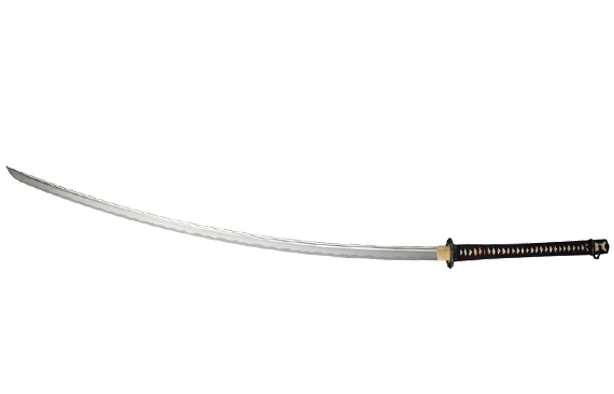
The Nodachi, or “Field Sword,” is a massive two-handed weapon exceeding 120 cm in blade length. Designed for open battlefield use, it was favored by foot soldiers to counter cavalry. Its great reach made it one of the most imposing types of Japanese greatswords.
Due to its size, mastering the Nodachi demanded immense strength and discipline. It was a weapon for warriors who sought both physical and spiritual mastery.
Tachi Sword (Japan)

The Tachi predates the Katana and was worn edge-down from the belt. Used by mounted warriors, it featured a deeper curvature and ornate fittings. It is one of the earliest types of Japanese samurai swords and the direct ancestor of the Katana.
Tachi blades were often dedicated to shrines or emperors, embodying divine craftsmanship and loyalty to the gods of war.
Chokuto Sword (Japan)

The Chokuto is Japan’s earliest straight sword, influenced by Chinese Jian designs. Forged before the development of curved blades, it was used during the Asuka and Nara periods and symbolizes the dawn of Japanese swordmaking.
Many Chokuto were placed in tombs and shrines as offerings, marking the connection between blade and spirit in early Japanese culture.
Ninjato Sword (Japan)
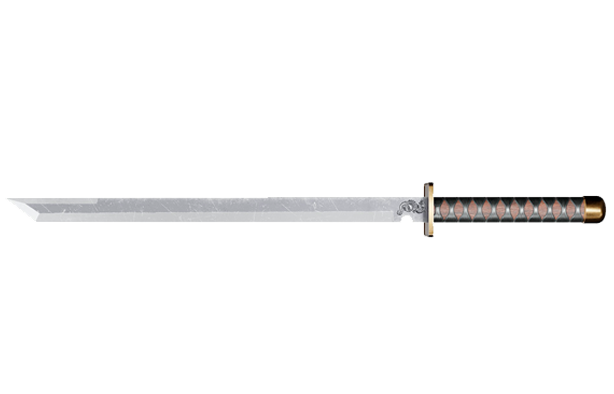
The Ninjato — or Ninja Sword — was a straight, short weapon designed for stealth, deception, and practicality. While historians debate its existence, it remains an iconic representation of the ninja’s adaptability.
Compact and easily concealed, it symbolized efficiency and survival — key virtues of Japan’s legendary covert warriors.
Gunto Sword (Japan)
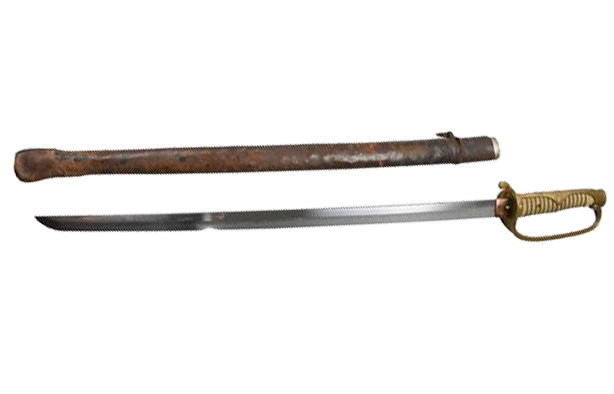
The Gunto was the modern military sword of Japan, used during the Meiji Restoration and World Wars. Modeled after the Katana but mass-produced, it bridged tradition and technology. Some officers commissioned hand-forged versions from master smiths to preserve samurai heritage.
Each Gunto carried the same spirit of discipline that defined its ancestral blades — a fusion of legacy and modernity.
Wakazashi Tantō (Japan)
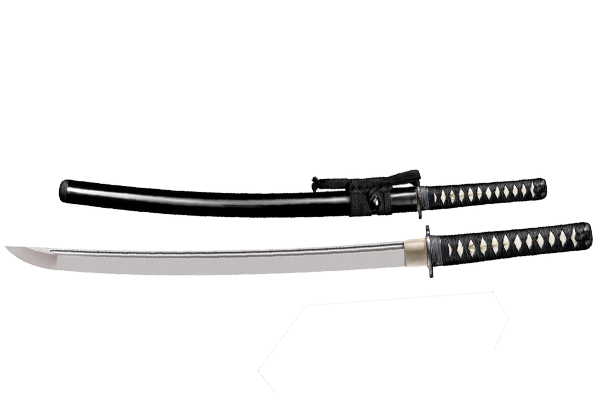
The Tantō is a short dagger used by samurai for close combat or ceremonial defense. Its small size made it practical for indoor combat and as a weapon of last resort. Among types of Japanese blades, the Tantō is known for its craftsmanship and ornate detail.
Worn by both men and women, it symbolized personal defense, virtue, and inner strength. Many were presented as gifts between nobles as symbols of respect.
The Way of the Blade
From the scholarly Jian of China to the disciplined Katana of Japan, the types of Asian swords reflect a journey through art, philosophy, and martial spirit. Each blade was forged not just for battle but for enlightenment — a union of craftsmanship and consciousness.
At Everest Forge, we continue this legacy by hand-forging blades that honor the masters of the East. Every sword carries the harmony of form and fire — where perfection is found not in the edge, but in the soul that shapes it.
Request a Custom Chinese or Japanese-Inspired Sword
If the elegance of the Jian, the power of the Dao, or the refined balance of the Katana inspires you, our smiths at Everest Forge can hand-forge a custom blade influenced by the legendary sword traditions of China and Japan. Whether you seek a Katana-style weapon, a long Tachi silhouette, or a personalized interpretation of an Asian classic, we craft each sword with precision, harmony, and respect for ancient techniques.